

Electric vs. Manual Spice Grinders: Which Type is Right for Your Kitchen?
- Posted on
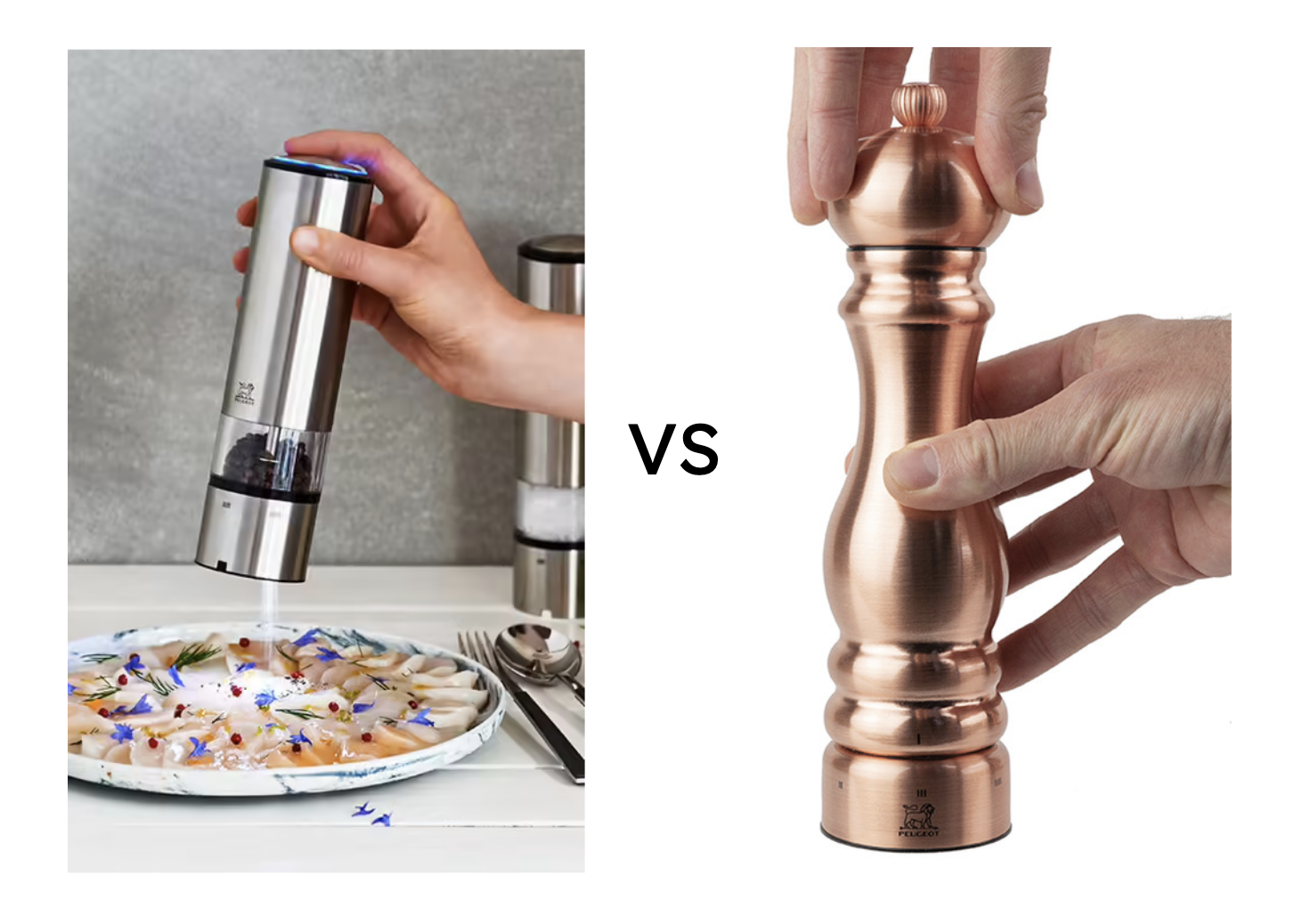
The difference between pre-ground and freshly ground spices is transformative. Whole spices retain their essential oils, aromatic compounds, and potent flavors far longer than pre-ground alternatives, which begin losing their vibrancy the moment they're processed. When you grind spices fresh, you release maximum flavor potential directly into your dish, creating depth and complexity that elevates even simple recipes. But standing between you and that flavor enhancement is an important decision: should you choose an electric or manual spice grinder?
Both electric and manual grinders have passionate advocates who swear by their chosen method. Understanding the practical differences—speed, control, capacity, maintenance, cost, and grinding quality—empowers you to select the type that aligns with your cooking style, kitchen workflow, and spice usage patterns. This comprehensive guide explores both options in depth, helping you make an informed decision that will enhance your cooking for years to come.
Understanding Electric Spice Grinders
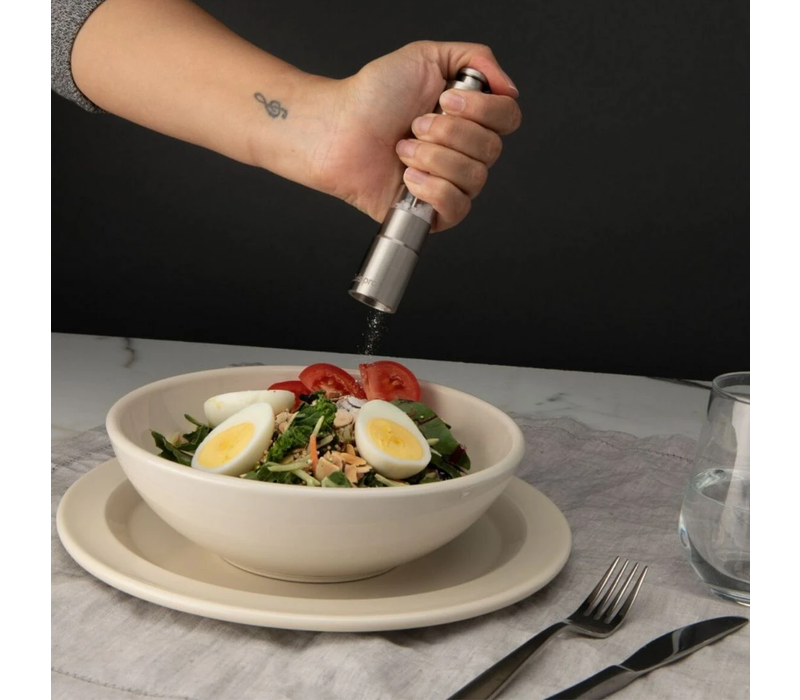
How Electric Grinders Work
Electric spice grinders use powerful motors to spin sharp blades at high speeds, pulverizing whole spices in seconds. Most resemble small coffee grinders (and many are dual-purpose), featuring stainless steel grinding chambers, removable bowls, and one-touch operation. You simply load whole spices, press the button or lid, and the motor does the work while you wait.
The blade design varies between models. Basic grinders use simple propeller-style blades that chop and grind through impact and friction. More sophisticated models feature precision-engineered blades specifically designed for spice grinding, with angles and edges optimized for creating uniform particles rather than random fragments.
Some electric grinders use burr mechanisms instead of blades—two abrasive surfaces that crush spices between them similar to quality coffee grinders. Burr grinders generally produce more uniform particle sizes, though they're less common and more expensive in spice-specific models.
Speed and Efficiency
Electric grinders' primary advantage is speed. Processing enough cumin for tonight's curry takes 10-15 seconds. Grinding peppercorns for a spice rub requires similar minimal time. This efficiency matters tremendously when cooking under time pressure or when recipes require multiple freshly ground spices.
The speed advantage compounds when grinding larger quantities. Making spice blends for meal prep, creating dry rubs for barbecue, or preparing curry powders from scratch all benefit from electric grinding's rapid processing. What might take 10-15 minutes of manual grinding finishes in under two minutes electrically.
For busy home cooks who want fresh spices without investing significant prep time, electric grinders remove barriers to regular spice grinding. The convenience often means people use whole spices more frequently, actually improving their cooking rather than reserving fresh grinding for special occasions only.
Capacity Considerations
Electric grinders typically feature larger capacity chambers than manual alternatives, accommodating 1/4 to 3/4 cup of whole spices. This substantial capacity handles batch processing efficiently, though it also means the grinder works less efficiently with very small quantities—a few peppercorns rattling around a large chamber grind unevenly.
The generous capacity suits making spice blends, where you're combining and grinding multiple whole spices together. Load all components, grind until uniform, and you have homemade garam masala, curry powder, or custom blends in moments.
Grind Consistency and Control
Electric grinders' consistency depends significantly on quality and user technique. Basic models with simple blade designs produce uneven grinds—some spices reduce to powder while others remain coarse fragments. This inconsistency affects how spices release flavor in dishes.
Better electric grinders with optimized blade designs or burr mechanisms deliver more uniform results. The key to consistency with blade grinders lies in pulsing rather than continuous running. Short pulses allow spices to resettle between grinding bursts, ensuring more even processing as pieces move into blade paths.
However, achieving specific grind textures requires attention and experience. Coarse grinds for rubs need brief processing, while fine powders for curry pastes require extended grinding. Learning your grinder's capabilities and timing takes practice but becomes intuitive quickly.
Maintenance and Cleaning
Cleaning electric grinders presents moderate challenge. The electrical components mean you cannot immerse grinding chambers in water. Instead, most require hand-washing removable bowls or wiping chambers with damp cloths. Some models feature dishwasher-safe components, dramatically simplifying cleaning.
Spice oils and pigments stain grinding chambers over time. Turmeric creates persistent yellow staining, while cloves and other intensely aromatic spices leave lingering odors. While these don't affect functionality, aesthetic concerns might bother some users. Running raw rice through the grinder between uses helps clean chambers and neutralize odors.
The inability to fully immerse electric grinders also means achieving medical-grade cleanliness proves difficult. For users with severe allergies or those following strict kosher or halal guidelines requiring complete contamination prevention, this limitation matters significantly.
Noise Levels
Electric grinders are loud—often quite loud. The high-speed motor and blade impacts create noise comparable to coffee grinders or blenders. This might not matter during busy cooking times but can be inconsiderate early morning or late evening when others are sleeping.
The noise duration is brief given grinding speed, but it's intense while running. For apartment dwellers, those with noise-sensitive family members, or anyone who values quiet kitchens, the sound level represents a genuine drawback.
Cost Considerations
Electric spice grinders range from $15 for basic models to $100+ for premium units with advanced features. Quality mid-range grinders cost $30-50 and deliver reliable performance for most home cooking applications.
The electrical components add complexity that can fail, potentially requiring replacement while manual grinders have no electronic parts to malfunction. However, quality electric grinders from reputable manufacturers often last many years with reasonable care.
Understanding Manual Spice Grinders
:max_bytes(150000):strip_icc()/sea-product-peugeot-pepper-mill-abigail-clarkin-31-1-a31b7c7b7f8c47a5af30e3fa8c5117c0.jpeg)
How Manual Grinders Work
Manual spice grinders rely on mechanical advantage and human power to crush spices. The most common types include rotary grinders with ceramic or metal burrs (similar to pepper mills), mortar and pestle combinations, and specialized manual mills designed specifically for spices.
Rotary manual grinders feature grinding mechanisms activated by turning cranks or knobs. The rotation forces spices between abrasive surfaces that crush and grind them to desired consistency. Adjustable settings on quality models allow you to select grind coarseness from very fine to quite coarse.
Mortar and pestle sets—the most traditional grinding method—use direct crushing force. You place spices in the mortar (bowl) and crush them with the pestle (club-shaped tool), gradually breaking them down through repeated crushing and grinding motions.
Precision and Control
Manual grinding's greatest advantage is precise control. You feel the spices breaking down, see the texture developing, and stop at exactly the right moment for your application. Want coarse-cracked pepper? Crush briefly. Need fine powder? Continue grinding until satisfied.
This tactile feedback helps develop intuition about spice grinding. You learn how different spices respond—some crush easily while others resist—and adjust your technique accordingly. This hands-on knowledge improves your overall spice handling skills.
The ability to grind extremely small quantities effectively also favors manual methods. Grinding just a pinch of cardamom for one cup of chai works perfectly in manual grinders but poorly in large electric chambers where insufficient material spins without proper grinding.
Quiet Operation
Manual grinders operate silently or with minimal noise—just the subtle grinding sounds of spices crushing. This allows early morning or late evening grinding without disturbing sleeping household members. For those who value peaceful kitchens or live in close quarters, this silence represents significant advantage.
The quiet also contributes to the meditative quality many people find in manual grinding. The rhythmic motion and gentle sounds create calming, mindful cooking experiences quite different from loud electric appliance operation.
Grind Quality
Manual grinders, particularly burr-based mills and mortar and pestle sets, often produce superior grind quality compared to basic electric grinders. The slower crushing action generates less heat than high-speed blade impact, preserving more volatile aromatic compounds that evaporate with heat exposure.
Mortar and pestle grinding particularly excels at creating pastes by crushing spices while incorporating moisture, perfect for curry pastes, spice pastes, and similar applications. The crushing action releases oils while maintaining texture control impossible with blade grinders.
Adjustable manual burr grinders deliver extremely consistent particle sizes since every piece passes through the same adjustable gap between grinding surfaces. This uniformity affects how evenly spices release flavor during cooking.
Durability and Longevity
Manual grinders contain no electronic components to fail. Quality manual grinders—especially traditional mortar and pestle sets—last generations with minimal care. Ceramic grinding mechanisms resist wear and never require sharpening. Wooden or stone materials develop patina and character through decades of use.
This longevity makes manual grinders exceptional long-term investments. While initial cost might equal or exceed electric grinders, the absence of replacement needs means lower lifetime costs. Manual grinders also work anywhere, anytime, with no need for electricity—useful for camping, travel, or power outages.
Physical Effort Required

Manual grinding's obvious limitation is physical effort. Grinding large quantities or very hard spices like cinnamon sticks requires sustained physical work. For those with arthritis, limited hand strength, or mobility challenges, this effort can prove prohibitive.
The time investment also differs substantially from electric grinding. What takes 15 seconds electrically might require 2-5 minutes manually, depending on quantity and desired fineness. For large batch grinding or cooking under time constraints, this represents significant disadvantage.
Capacity Limitations
Most manual grinders handle smaller quantities than electric alternatives. Mortar and pestle sets vary in size, but even large ones require batch processing for substantial quantities. Manual rotary grinders typically process tablespoon quantities per loading.
For making large-batch spice blends, this limited capacity creates workflow inefficiency requiring repeated loading, grinding, and emptying. The process becomes tedious when you need cup quantities of ground spices.
Maintenance and Cleaning
Manual grinders generally clean more easily than electric alternatives. Mortar and pestle sets often tolerate complete immersion and even dishwasher cleaning (depending on material). No electrical components mean no cleaning restrictions.
However, porous materials like granite, marble, or wood absorb oils and pigments over time. This creates seasoning that some cooks value (it prevents sticking and adds character) but others find concerning from cross-contamination or aesthetic perspectives.
Non-porous ceramic and stainless steel manual grinders clean most thoroughly, making them suitable for users with allergies or strict dietary requirements.
Cost Considerations
Manual grinders range from $10 for basic mortar and pestle sets to $100+ for premium manual burr mills. Quality mid-range options cost $25-40. The absence of motors means you're paying primarily for materials and construction quality rather than complex mechanisms.
The initial cost might equal electric grinders, but the indefinite lifespan without repair or replacement needs makes manual grinders economical long-term investments.
Direct Comparison: Making Your Choice
Choose Electric Grinders If You:
- Value speed and efficiency above all
- Regularly grind large quantities for spice blends or rubs
- Have limited time for meal preparation
- Lack hand strength or have mobility challenges
- Don't mind appliance noise
- Want grinding integrated into fast-paced cooking workflows
- Prioritize convenience over traditional methods
- Have adequate storage for electrical appliances
- Don't need extremely fine control over grind texture
- Are comfortable with moderate maintenance requirements
Choose Manual Grinders If You:
- Want precise control over grind consistency
- Grind small quantities for individual meals
- Appreciate quiet, meditative cooking processes
- Have concerns about appliance noise
- Value durability and generational longevity
- Want zero dependence on electricity
- Enjoy traditional, hands-on cooking methods
- Need to make spice pastes or wet grinding applications
- Have limited electrical outlets or storage
- Want minimal environmental impact from appliances
- Have adequate hand strength and time for manual grinding
The Best-of-Both-Worlds Approach
Many serious home cooks maintain both types of grinders, using each for its strengths. An electric grinder handles large batches, tough spices, and time-pressured situations. A manual grinder manages small quantities, provides precise control for delicate applications, and serves as backup when electricity isn't available or noise would disturb others.
This dual approach maximizes practicality while accommodating different cooking scenarios. The investment in both remains modest—quality examples of each type together cost less than many single kitchen appliances—while dramatically expanding your spice-grinding capabilities.
Special Considerations
Spice-Specific Needs
Certain spices favor particular grinding methods. Very hard spices like cinnamon sticks, nutmeg, and star anise grind more easily electrically. Soft, oily spices like cardamom or whole cloves work well with either method but may gum up electric grinder blades with extended grinding. Peppercorns, cumin, coriander, and most common spices work equally well with both approaches.
Kitchen Space Constraints
Compact kitchens with limited counter and storage space favor manual grinders' smaller footprints. Electric grinders require dedicated storage and counter space during use. Manual options often fit in drawers or small cabinet spaces.
Cooking Volume and Frequency
Professional cooks, serious home cooks who prepare meals daily, and those who entertain frequently benefit most from electric grinding efficiency. Casual cooks who prepare smaller portions or cook less frequently might never experience manual grinding's limitations as restrictive.
Making Your Final Decision
Consider your honest cooking patterns, physical capabilities, and priorities. If you're unsure, starting with a quality manual grinder provides low financial risk while introducing you to fresh spice grinding benefits. If you find yourself grinding frequently and wishing for speed, adding an electric grinder later complements rather than replaces your manual option.
Alternatively, if convenience drives your cooking and you know time pressure typically limits your meal preparation, starting with an electric grinder makes sense. You can always add manual options later for special applications or precise control situations.

Conclusion
Both electric and manual spice grinders deliver the transformative flavor enhancement that comes from freshly ground whole spices. Electric grinders offer unmatched speed and convenience, processing large quantities in seconds with minimal effort. Manual grinders provide superior control, quiet operation, and indefinite durability while connecting you to traditional cooking methods. The "right" choice depends entirely on your cooking style, physical capabilities, and priorities.
Ready to transform your cooking with freshly ground spices? Explore our collection of spice grinders featuring both electric and manual options from trusted manufacturers. Whether you choose the efficiency of electric grinding, the precision of manual methods, or the versatility of maintaining both types, you'll discover how freshly ground spices elevate every dish with vibrant flavors and aromatic complexity that pre-ground alternatives simply cannot match.