

End Grain vs Edge Grain Cutting Boards: Which is Better for Your Knives?
- Posted on
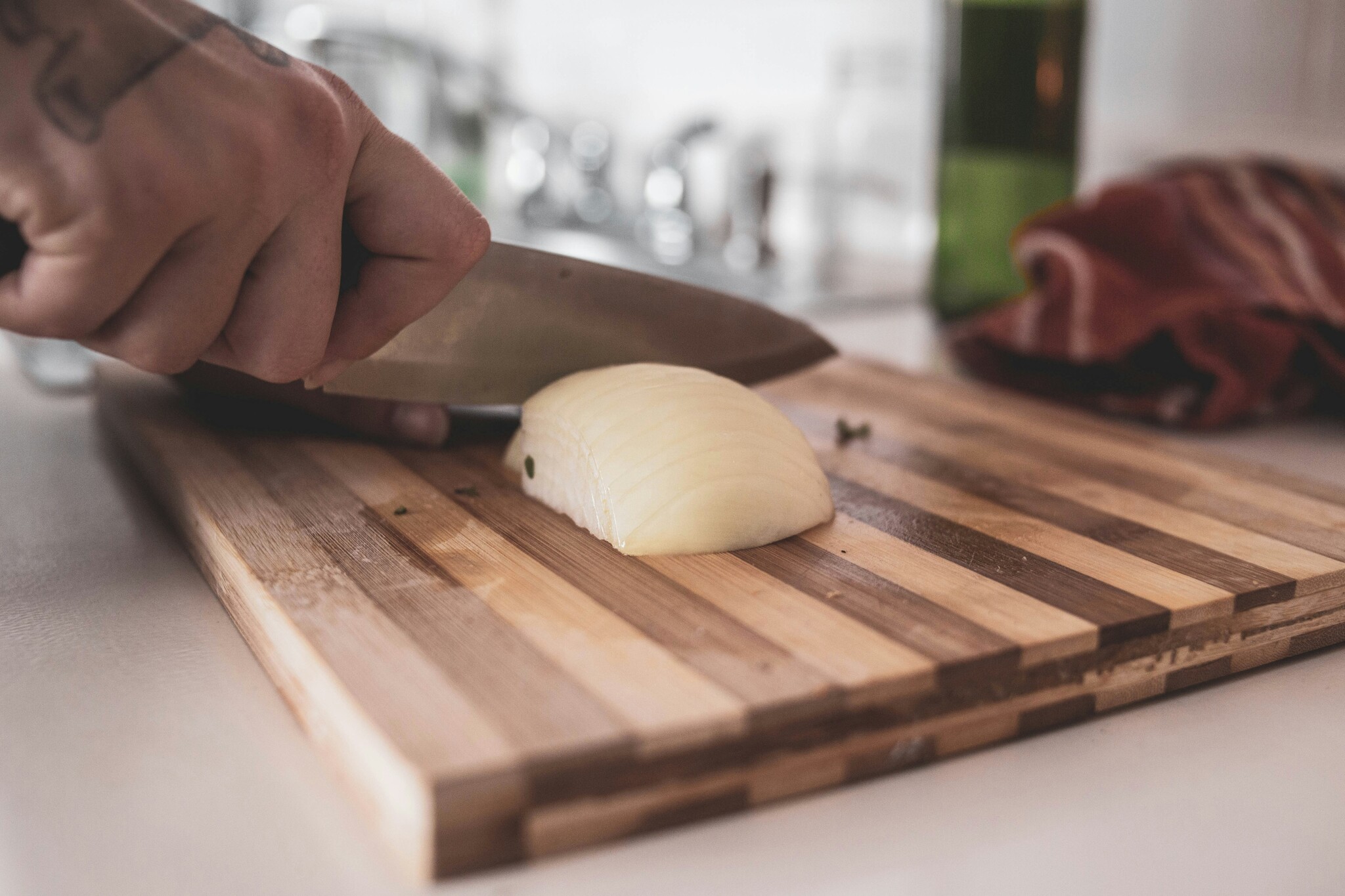
Choosing the right cutting board is one of the most important decisions you'll make for your kitchen. Beyond protecting your countertops, your cutting board directly impacts knife sharpness, food safety, and overall cooking efficiency. Two of the most popular wooden cutting board constructions are end grain and edge grain, and understanding the differences between them is essential for making an informed purchase decision.
If you're serious about maintaining your kitchen knives and creating an optimal food preparation workspace, this comprehensive guide will help you understand the unique characteristics, benefits, and drawbacks of both end grain and edge grain cutting boards. By the end, you'll know exactly which type best suits your cooking style, budget, and knife collection.
Understanding Wood Grain Construction
Before diving into comparisons, it's important to understand what "grain" actually means in cutting board construction. Wood grain refers to the direction of wood fibers within the board and how those fibers are oriented relative to the cutting surface.
End Grain Construction: End grain cutting boards are constructed with wood pieces positioned so that the ends of the wood fibers face upward, creating the cutting surface. Imagine looking directly down at a bundle of straws standing upright—that's the visual appearance and functional principle of end grain. These boards typically feature a distinctive checkerboard or mosaic pattern that results from arranging multiple small wood blocks with their fiber ends exposed.
Edge Grain Construction: Edge grain cutting boards are made with wood strips placed on their edges, so the long side of the wood grain runs across the cutting surface. Think of books standing on a shelf viewed from the side—the spines visible represent the edge grain orientation. These boards usually display long, parallel wood grain lines running the length of the board.
The orientation of wood fibers fundamentally changes how the board interacts with your knife blade, affecting both knife longevity and board durability.
Knife Preservation: The Critical Difference

End Grain: The Knife-Friendly Champion
End grain cutting boards are universally recognized by professional chefs and knife enthusiasts as the superior choice for knife preservation. The secret lies in how the vertical wood fibers interact with knife edges during cutting.
When you slice on an end grain board, your knife blade slides between the wood fibers rather than cutting across them. The wood fibers separate to accommodate the blade and then close back together after the knife passes through—a phenomenon often described as "self-healing." This interaction is remarkably gentle on knife edges, significantly reducing the microscopic damage that dulls blades over time.
Professional kitchens that process hundreds of pounds of ingredients daily often invest in end grain boards specifically because they dramatically reduce knife sharpening frequency. A sharp knife is not only more efficient but also safer, as dull knives require more pressure and are more likely to slip during use.
Edge Grain: The Compromise Choice
Edge grain cutting boards offer moderate knife preservation. While they're gentler on blades than hard surfaces like glass, ceramic, or composite materials, they're tougher on knives than end grain alternatives. When cutting on edge grain, your knife actually cuts across the wood fibers, creating friction and microscopic abrasion that gradually dulls the blade.
For home cooks who prepare meals daily but don't process commercial quantities of food, edge grain boards provide acceptable knife preservation. You'll need to sharpen knives more frequently than with end grain boards, but the difference may not be immediately noticeable unless you're particularly attuned to blade sharpness or working with expensive, high-quality knives that deserve optimal care.
Durability and Longevity

End Grain: Built to Last Generations
End grain cutting boards are incredibly durable and resilient. That same self-healing property that protects knife edges also protects the board itself. Since knife blades separate fibers rather than severing them, end grain boards resist visible cut marks far better than edge grain alternatives. Even after years of heavy use, a well-maintained end grain board maintains a relatively smooth, unmarked appearance.
The thick construction typical of end grain boards—often 2 to 3 inches thick—provides substantial weight and stability during use while contributing to extraordinary longevity. Many end grain cutting boards become family heirlooms, passed down through generations and developing beautiful patina that tells the story of thousands of meals prepared.
However, end grain construction's complexity makes these boards more susceptible to splitting or warping if not properly maintained. The multiple wood pieces glued together can separate if the board experiences significant moisture fluctuations or if maintenance is neglected. Proper care, including regular oiling and avoiding dishwashers or prolonged water exposure, is essential.
Edge Grain: Solid and Stable
Edge grain cutting boards offer excellent structural stability. The simpler construction with fewer glue joints and longer wood pieces creates inherently stable boards less prone to warping or splitting than end grain alternatives. The long grain direction provides natural strength that resists cracking under normal use conditions.
However, edge grain boards show knife marks more prominently than end grain boards. Over time, the accumulated cuts and grooves create a rougher surface texture that can harbor bacteria if not properly maintained. Eventually, edge grain boards require sanding to restore a smooth cutting surface, though this process is generally straightforward for woodworking enthusiasts.
With proper care, edge grain cutting boards easily last decades, making them excellent long-term investments. Their straightforward construction and maintenance requirements appeal to cooks who want reliable performance without intensive upkeep demands.
Maintenance Requirements
End Grain Maintenance
End grain cutting boards require consistent maintenance to preserve their appearance and functionality. The porous nature of exposed wood fiber ends means these boards absorb moisture, oils, and food particles more readily than edge grain alternatives.
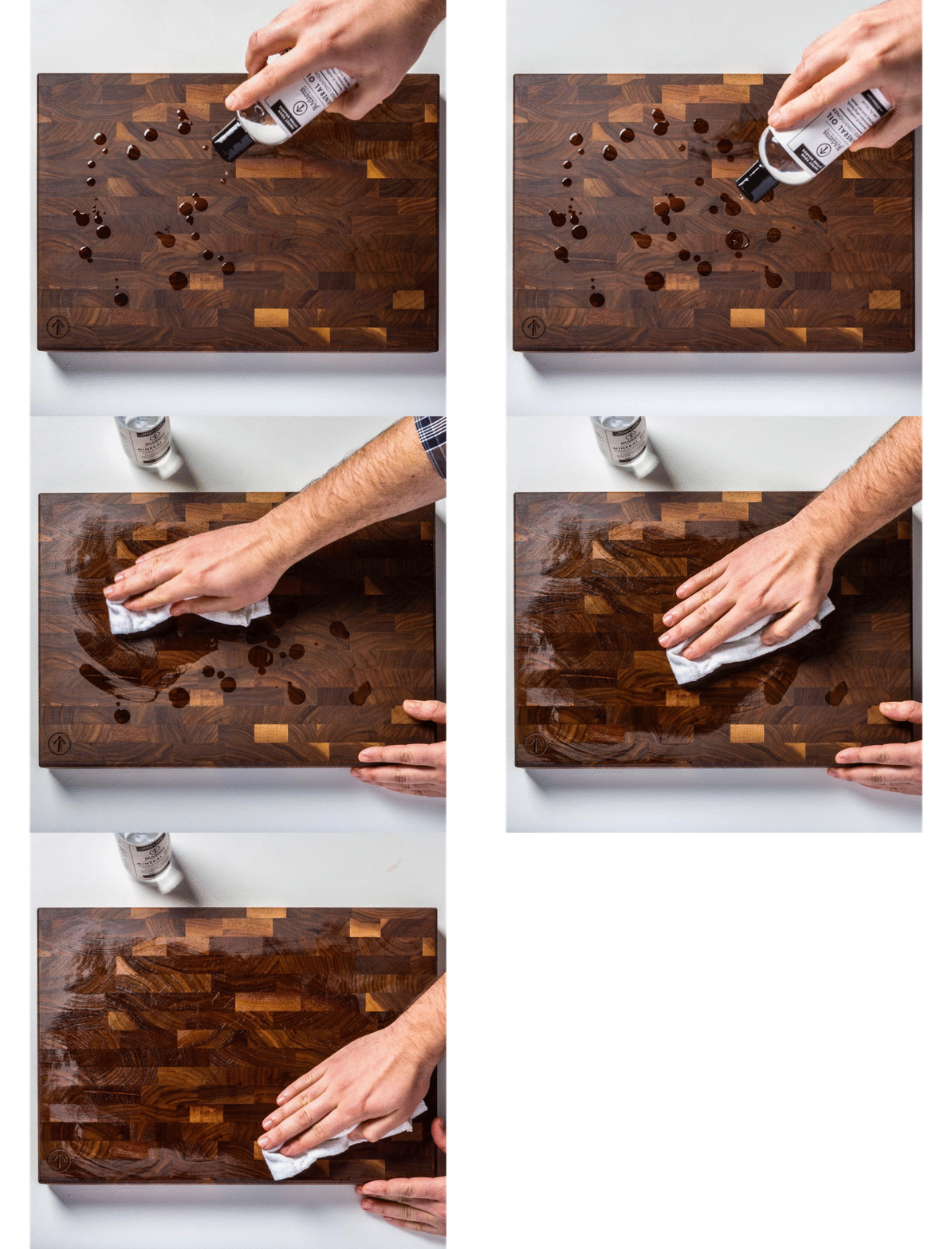
Monthly oiling with food-safe mineral oil or specialized cutting board oil is essential to prevent drying, cracking, and warping. The oil fills the wood pores, creating a moisture barrier that protects the board while maintaining the wood's natural flexibility. Some enthusiasts follow oil treatments with food-safe beeswax or board butter, which creates an additional protective layer and enhances the board's appearance.
After each use, end grain boards should be washed with mild soap and warm water, then immediately dried thoroughly. Never soak end grain boards or place them in dishwashers, as excessive moisture can cause the multiple glued sections to separate. Stand boards on edge after washing to promote air circulation and even drying.
Edge Grain Maintenance
Edge grain boards generally require less intensive maintenance than end grain alternatives. The less porous surface doesn't absorb moisture and oils as readily, reducing the frequency of necessary oil treatments. Quarterly oiling often suffices for lightly used edge grain boards, though monthly application is still recommended for boards that see daily use.
Cleaning procedures are similar to end grain boards—wash with mild soap and warm water, dry immediately, and never use dishwashers. However, edge grain boards typically dry faster and are less susceptible to moisture-related damage, making them somewhat more forgiving of minor maintenance lapses.
When knife marks become pronounced, edge grain boards can be sanded to restore a smooth surface. This process is more straightforward than sanding end grain boards due to the simpler grain pattern and construction.
Aesthetic Considerations
End Grain: Visual Statement Piece
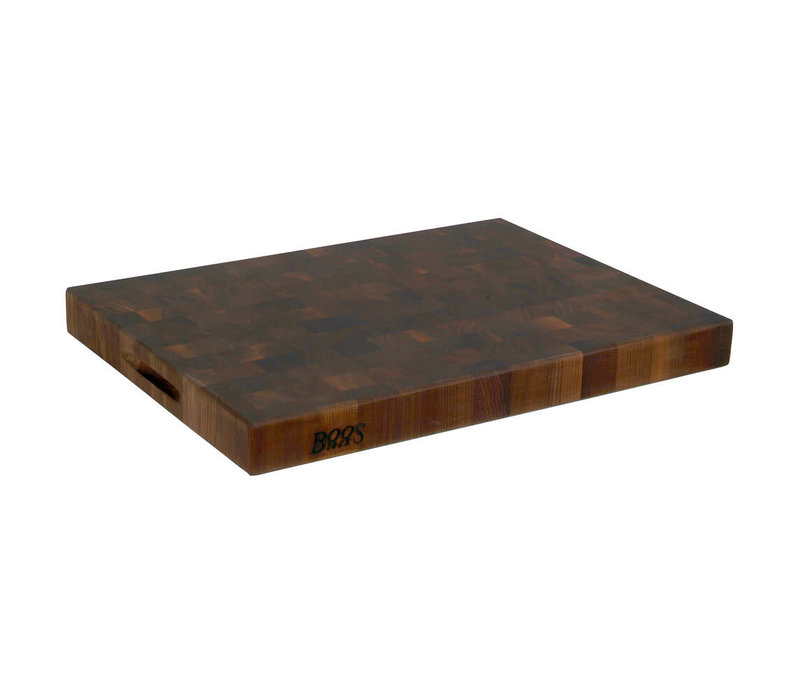
End grain cutting boards are undeniably striking. The checkerboard or mosaic pattern created by arranging wood blocks creates visual interest that makes these boards as much display pieces as functional tools. Many cooks proudly leave end grain boards on countertops, where they serve as beautiful focal points that showcase craftsmanship and appreciation for quality kitchen equipment.
The complex patterns can incorporate multiple wood species—maple, walnut, cherry, and more—creating dramatic color contrasts and artistic designs. Premium end grain boards feature intricate patterns that rival fine woodworking art pieces.
Edge Grain: Classic Elegance
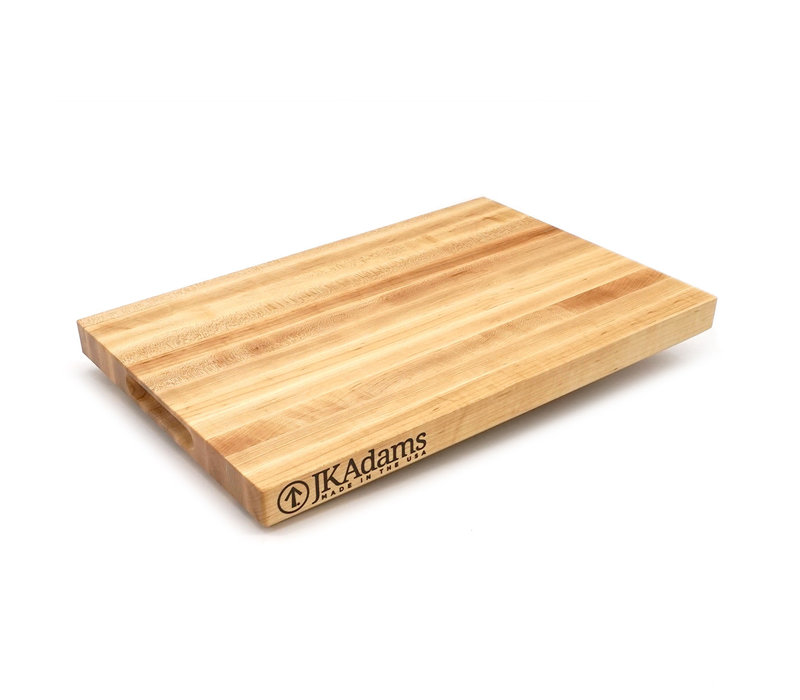
Edge grain boards offer understated elegance with their clean lines and straightforward grain patterns. The long, parallel wood grain creates a traditional appearance that complements both modern and classic kitchen aesthetics without overwhelming the visual space.
Edge grain construction allows the natural beauty of wood to shine through with minimal processing. The simplicity appeals to cooks who prefer functional beauty over ornate design, and the streamlined appearance suits minimalist kitchen styles.
Weight and Portability
End Grain: Substantial Presence
End grain cutting boards are notably heavy, typically weighing 15 to 30 pounds or more depending on size. This substantial weight provides exceptional stability during use—the board stays firmly planted while you chop, preventing sliding and movement that can cause accidents.
However, the weight makes these boards less portable. Moving an end grain board from storage to workspace and back requires effort, and the boards are impractical for outdoor cooking or transporting to other locations. Many cooks designate a permanent spot for end grain boards and leave them in place.
Edge Grain: More Manageable
Edge grain boards are significantly lighter than comparable-sized end grain boards, typically weighing 5 to 15 pounds. This makes them easier to move, clean, and store. The lighter weight appeals to cooks with limited strength or those who prefer storing boards when not in use.
The reduced weight requires attention to stability during use. Placing a damp towel underneath edge grain boards prevents sliding during vigorous chopping or when working with slippery ingredients.
Price Considerations
End Grain: Premium Investment
End grain cutting boards command premium prices due to their complex construction, superior knife preservation, and exceptional durability. Quality end grain boards typically start around $100 for smaller sizes and can easily exceed $300 to $500 for large, premium boards crafted from exotic woods.
The labor-intensive manufacturing process—cutting wood into small blocks, arranging them in patterns, gluing multiple pieces, and extensive finishing—justifies the higher cost. For serious cooks with quality knife collections, the investment pays dividends through reduced sharpening frequency and decades of reliable service.
Edge Grain: Value-Oriented Option
Edge grain cutting boards offer excellent value, with quality boards starting around $50 to $70 and premium options rarely exceeding $200. The simpler construction requires less labor and materials, making these boards accessible to cooks at various budget levels.
For home cooks who want quality wooden cutting boards without premium pricing, edge grain provides outstanding performance and longevity at reasonable cost.
Which Type Is Right for You?
Choose End Grain If You:
- Own high-quality knives that represent significant investment
- Cook frequently and process large quantities of ingredients
- Prioritize maximum knife preservation
- Appreciate exceptional craftsmanship and unique aesthetics
- Have adequate budget for premium kitchen equipment
- Can commit to regular maintenance routines
- Want a cutting board that will last generations
Choose Edge Grain If You:
- Need a reliable, functional cutting board at moderate cost
- Prefer lighter boards that are easier to move and store
- Want lower maintenance requirements
- Appreciate clean, classic aesthetics
- Are new to wooden cutting boards and want to experiment
- Need multiple boards for different purposes without excessive investment
- Prefer structural stability and simple care
The Best of Both Worlds
Many serious home cooks eventually acquire both types of cutting boards. A large end grain board serves as the primary prep surface for daily cooking, protecting expensive chef's knives and providing ample workspace. Smaller edge grain boards handle quick tasks, serve as dedicated boards for specific ingredients (garlic, onions, raw meat), or accompany outdoor cooking activities.
This approach maximizes the benefits of both construction types while managing costs and maintenance time effectively.
Caring for Your Investment
Regardless of which type you choose, proper care ensures your cutting board delivers years of reliable service:
- Clean immediately after use with mild soap and warm water
- Dry thoroughly before storing to prevent warping and bacterial growth
- Oil regularly with food-safe mineral oil or specialized board oil
- Never use dishwashers or soak boards in water
- Store properly by standing boards on edge for air circulation
- Address damage promptly by sanding rough spots or repairing minor cracks
- Periodically deep clean with lemon juice and coarse salt to remove odors

Conclusion
Both end grain and edge grain cutting boards offer distinct advantages that appeal to different cooking styles and priorities. End grain boards provide unmatched knife preservation, exceptional durability, and stunning aesthetics at premium prices, making them ideal for serious cooks with quality knife collections. Edge grain boards deliver excellent functionality, lower maintenance requirements, and outstanding value for home cooks who want reliable wooden cutting boards without premium investment.
Understanding the differences empowers you to make informed decisions aligned with your cooking habits, knife collection, budget, and aesthetic preferences. Whether you choose the knife-preserving excellence of end grain or the practical reliability of edge grain, investing in quality wooden cutting boards elevates your cooking experience and protects your valuable kitchen knives.
Ready to find your perfect cutting board? Explore our complete collection of premium cutting boards featuring both end grain and edge grain options from trusted manufacturers. From compact everyday boards to showpiece statement pieces, we offer cutting boards that combine quality craftsmanship with exceptional functionality for every kitchen and cooking style.