

Fresh Pasta at Home: Essential Tools for Hand-Rolled Italian Pasta
- Posted on
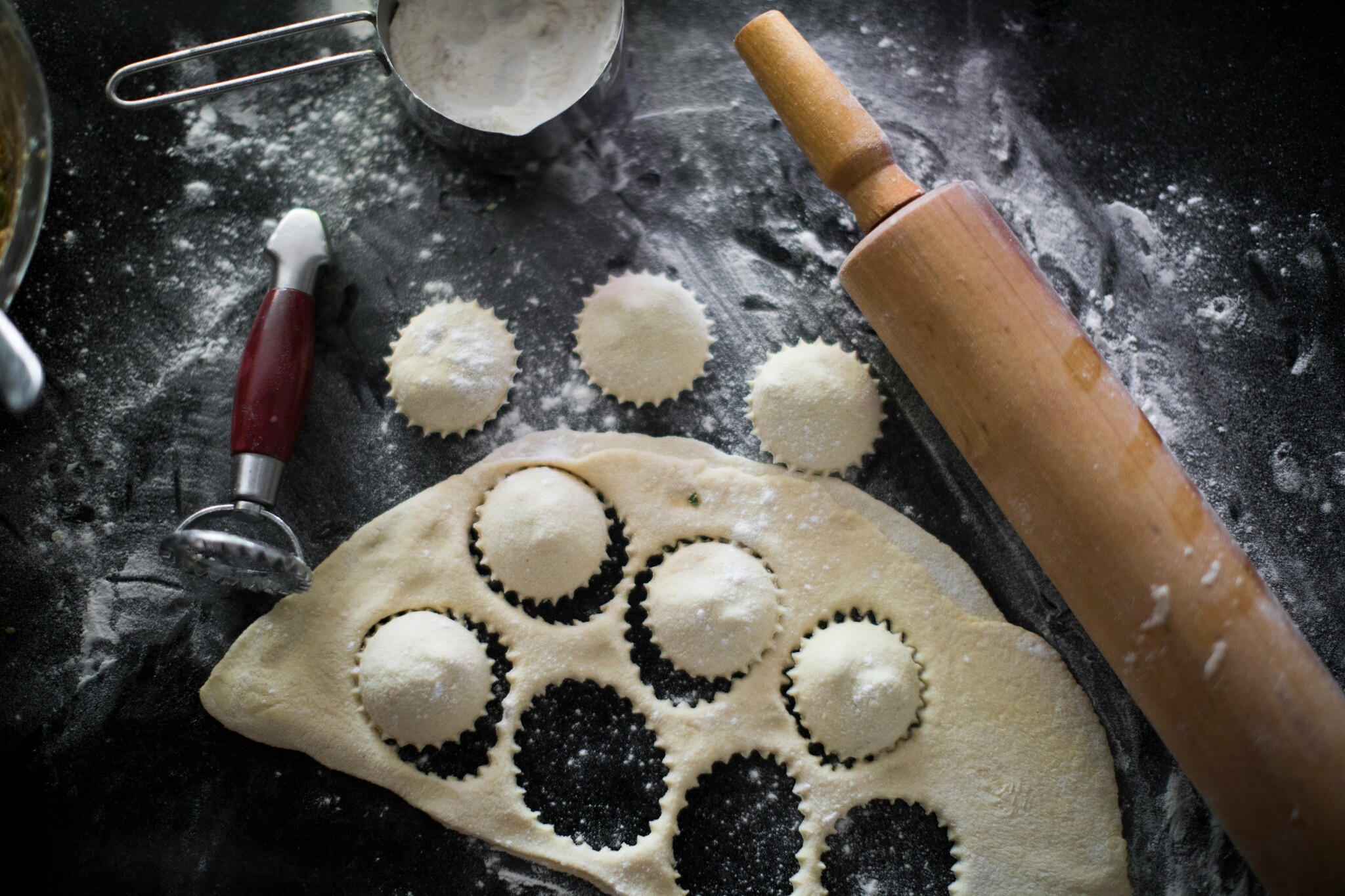
The aroma of fresh pasta dough, the satisfying rhythm of rolling and shaping, and the incomparable taste and texture of homemade pasta represent some of cooking's most rewarding experiences. While pasta machines and extruders have their place, hand-rolled pasta connects you to centuries of Italian culinary tradition, requiring minimal equipment while delivering maximum authenticity and satisfaction. The tender bite of fresh pappardelle, the delicate texture of hand-cut tagliatelle, and the satisfying chew of perfectly formed ravioli simply cannot be replicated with dried pasta from boxes.
Making fresh pasta by hand might seem intimidating, but with the right tools and understanding of fundamental techniques, this ancient craft becomes accessible to any home cook willing to invest a little time and practice. This comprehensive guide explores the essential tools needed for authentic hand-rolled Italian pasta, from the basic implements every pasta maker needs to specialized tools that elevate your pasta-making capabilities.
Why Make Fresh Pasta by Hand?
Before diving into tools and techniques, it's worth understanding why hand-rolled pasta deserves a place in your cooking repertoire. Fresh pasta cooks in just 2-3 minutes, offering weeknight dinner convenience that rivals anything from a box. The tender, silky texture absorbs sauces beautifully, creating harmony between pasta and condiment that dried pasta cannot achieve. The flavor is cleaner and more refined, allowing you to taste the quality of your ingredients—eggs, flour, and perhaps olive oil—without additives or preservatives.
Beyond practical advantages, making pasta by hand provides meditative, creative satisfaction. The dough responds to your touch, teaching you through tactile feedback when it's perfectly hydrated and properly kneaded. Each session builds skill and confidence, transforming what initially feels challenging into an intuitive, almost automatic process. Many home cooks find pasta making therapeutic—a way to slow down, engage physically with food, and create something beautiful with their hands.
The Foundation: Essential Basic Tools

Quality Rolling Pin
The rolling pin stands as the single most important tool for hand-rolled pasta. While any rolling pin technically works, Italian-style pasta rolling pins deliver superior results. These long, thin, pin-style rollers without handles—often called mattarello in Italian—provide maximum control and sensitivity. The thin diameter (typically 1.5 to 2 inches) and extended length (28 to 36 inches) allow you to roll large, thin sheets of dough efficiently.
The absence of handles or ball bearings means direct contact with the wood, providing tactile feedback about dough thickness and resistance. You feel the dough through the pin, learning to judge thickness by touch before visual confirmation. This direct connection accelerates skill development and produces more consistent results.
Hardwood construction—maple, beech, or cherry—provides the ideal combination of smoothness and subtle texture. The wood's slight porosity prevents excessive sticking without requiring constant flouring that toughens pasta. Quality wooden rolling pins last generations, developing smooth patina through years of use that makes them increasingly pleasurable to work with.
For those new to pasta making or working in compact spaces, Asian-style rolling pins offer similar benefits in smaller packages. These thin, handle-free rollers work beautifully for rolling pasta dough, providing excellent control in a more compact form.
Large Work Surface
Fresh pasta requires substantial work surface—at least 24 by 36 inches of clean, flat space for rolling dough to proper thinness. Traditional Italian pasta makers use large wooden boards or tables, but any smooth, clean surface works. Countertops, large cutting boards, or portable pastry boards all serve this purpose.
Wood surfaces provide ideal working conditions for pasta dough. The material's slight porosity creates just enough friction to prevent dough from sliding during rolling while not sticking excessively. Marble surfaces stay naturally cool, helping dough remain workable longer in warm kitchens. Laminate or sealed wood countertops work well when lightly floured.
The key consideration is ensuring adequate space. Cramped work surfaces make rolling to proper thinness nearly impossible. If your kitchen lacks sufficient counter space, consider a large portable wooden board (at least 24 by 30 inches) dedicated to pasta making. These boards store away when not in use while providing proper workspace when needed.
Bench Scraper
This simple, flat metal or plastic blade proves indispensable throughout the pasta-making process. Use it to cut portions from dough blocks, clean work surfaces of stuck dough and excess flour, gather dough scraps, and cut rolled pasta sheets into shapes. The straight edge helps achieve clean, even cuts while the comfortable handle provides control during scraping and portioning.
Metal bench scrapers work best for cutting dough—the rigid blade slices cleanly without dragging. Flexible plastic scrapers excel at cleaning work surfaces, conforming to counter contours to remove every trace of dough. Many pasta makers keep both types handy, using each for its strengths.
Beyond pasta making, bench scrapers serve countless kitchen purposes—portioning cookie dough, cutting biscuits, transferring chopped vegetables, cleaning cutting boards—making them exceptional multipurpose investments.
Cutting and Shaping Tools
Pastry Wheel (Fluted and Straight)
Pastry wheels transform rolled pasta sheets into specific shapes with clean, efficient cuts. Fluted wheels with zigzag edges create decorative ravioli, agnolotti, and other filled pastas. The wavy edge doesn't just add visual appeal—it helps seal filled pastas more securely by creating more surface area for adhesion.
Straight-edged wheels cut clean lines for pappardelle, lasagna sheets, and rectangular pasta shapes. The rolling blade slices through delicate pasta dough without the dragging and stretching that occur when using knives. This produces neater edges and more uniform shapes.
Quality pastry wheels feature sharp blades that glide through dough effortlessly, comfortable wooden or plastic handles that provide secure grip, and smooth-rolling mechanisms that don't catch or skip. Many pasta makers appreciate having both fluted and straight options, though you can accomplish most tasks with a single double-ended wheel featuring both blade types.
Ravioli Stamps
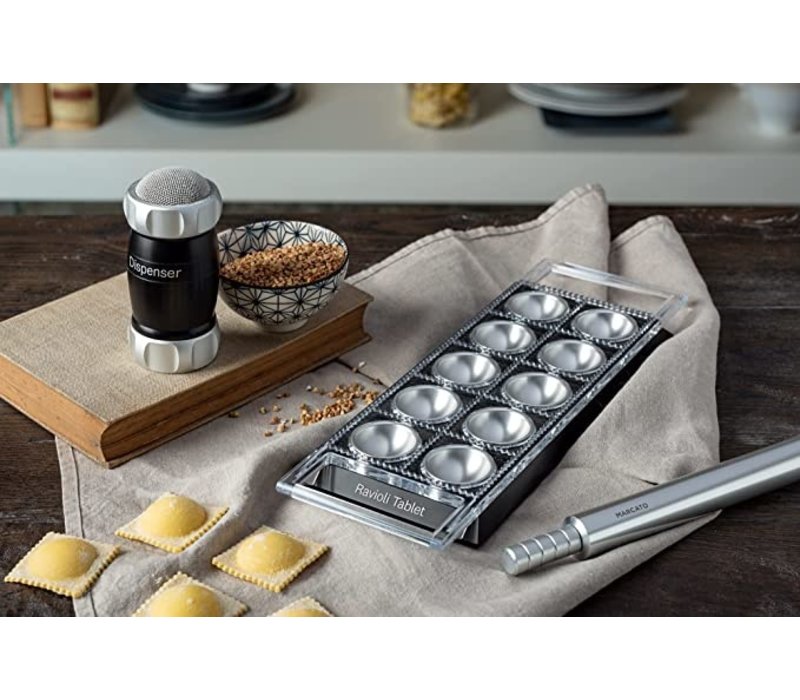
For filled pastas like ravioli and agnolotti, specialized stamps streamline the process while ensuring consistent results. These die-cast aluminum tools with wooden handles cut and seal pasta in single pressing motions. Place filling between two pasta sheets, position the stamp, and press firmly—the sharp edge cuts the pasta while the pressure seals the edges, creating perfectly formed pockets.
Round stamps produce classic circular ravioli in various sizes, while square stamps create traditional four-cornered shapes. Fluted edges add decorative touches while enhancing the seal. The solid construction ensures clean cuts through delicate dough layers without tearing, producing professional-looking results even for beginners.
Ravioli stamps offer additional versatility—they work beautifully as cookie cutters, biscuit cutters, and pastry shape cutters. This multi-purpose functionality justifies dedicated storage space even in compact kitchens.
Sharp Knife or Pizza Cutter
A sharp chef's knife or pizza cutter handles pasta cutting tasks that don't require pastry wheels. Cut wide pappardelle ribbons, portion stuffed pasta shapes, or trim irregular edges from pasta sheets. Pizza cutters with rolling blades work particularly well, providing the same non-dragging cut advantage as pastry wheels with larger diameter blades for longer, straighter cuts.
Keep your knife exceptionally sharp for pasta cutting. Dull blades drag through tender dough, creating ragged edges and distorted shapes. A razor-sharp knife glides through pasta cleanly with minimal pressure.
Specialty Shaping Tools
Gnocchi Board
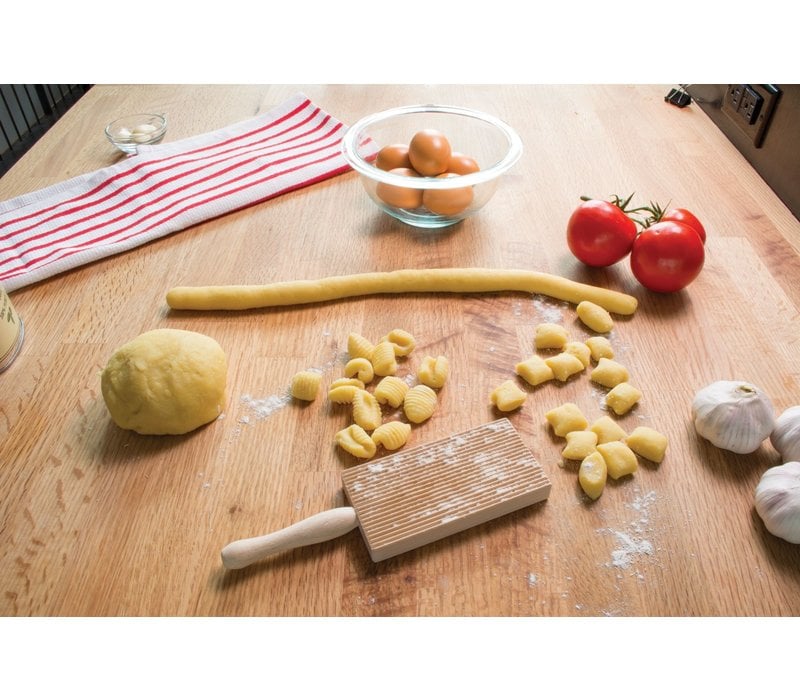
While technically for gnocchi rather than pasta, gnocchi boards earn their place in pasta tool collections for cooks who enjoy making these potato dumplings. The ridged wooden paddle creates the characteristic grooves that help sauce cling to gnocchi surfaces while adding traditional aesthetic appeal.
Using a gnocchi board is simple: roll each dumpling across the ridged surface with gentle thumb pressure, creating grooves as it rolls. The technique takes moments to learn and becomes almost automatic with minimal practice. The boards cost just a few dollars, last indefinitely, and add authentic Italian character to your gnocchi.
Cavarola Board (Garganelli Comb)
For more advanced pasta enthusiasts, the garganelli comb (cavarola board) creates ridged, tubular pasta shapes by rolling pasta squares around a thin dowel while pressing against a ridged surface. This traditional tool from Emilia-Romagna produces beautiful garganelli pasta with distinctive ridges and rolled tube shape.
While certainly specialized, the garganelli comb opens new pasta possibilities for dedicated makers. The pasta shape is unique and impressive, demonstrating skill and dedication to authentic Italian techniques.
Drying and Storage Equipment
Pasta Drying Rack
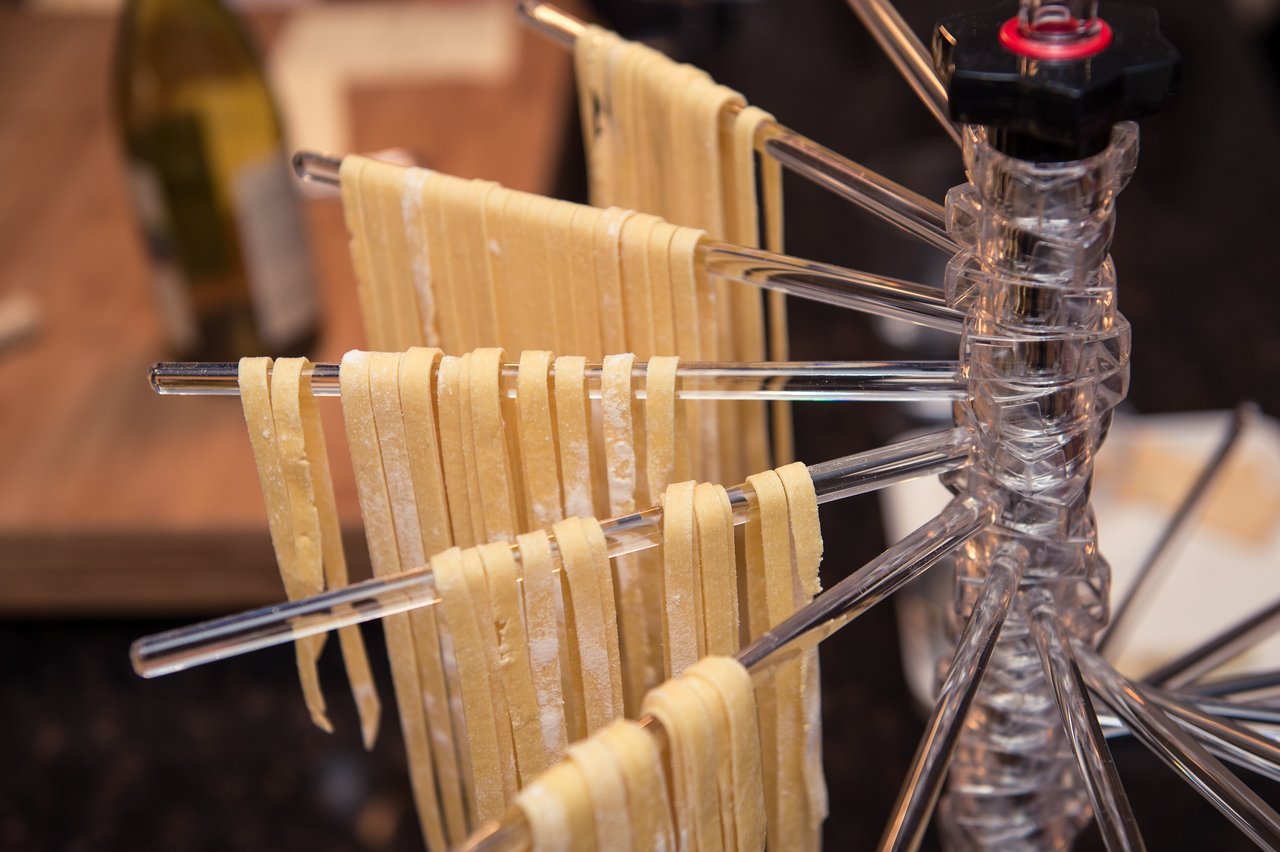
Fresh pasta can be cooked immediately, but drying it for 30 minutes to several hours develops firmer texture and allows make-ahead preparation. Pasta drying racks—simple wooden or plastic structures with multiple arms—provide ideal drying conditions. Drape long pasta strands over the arms where air circulation prevents sticking while gravity keeps strands straight.
Commercial pasta drying racks are inexpensive and collapsible for storage. Alternatively, improvise with clean broomstick handles suspended between chairs, wooden dowels propped in large containers, or even clean wire hangers. The key is providing space for pasta to hang freely without touching, ensuring even drying.
Short pasta shapes like farfalle or cut pappardelle dry well on clean kitchen towels dusted with semolina flour. Arrange pieces in single layers with space between each, turning occasionally to ensure even drying.
Storage Containers
Fresh pasta that won't be cooked immediately requires proper storage to maintain quality. Short-term storage (same day) works fine on lightly floured kitchen towels in cool, dry locations. For overnight or longer storage, nest dried long pasta into loose bundles and wrap in parchment paper, or store cut shapes in airtight containers with layers separated by parchment.
Fresh pasta keeps refrigerated for 2-3 days or frozen for up to 2 months. For freezing, arrange pasta in single layers on parchment-lined baking sheets until solid, then transfer to freezer bags or containers. This prevents pieces from freezing together into unusable clumps.
Measuring and Portioning Tools

Kitchen Scale
While many pasta recipes specify ingredient volumes, weight-based measurements deliver more consistent results. Digital kitchen scales measuring in grams provide precision—100 grams of flour is always 100 grams, while one cup of flour can vary by 20-30 grams depending on how it's measured.
Scales particularly benefit pasta making because dough hydration—the ratio of liquid to flour—determines workability and final texture. Precise measurements ensure consistent dough every time, eliminating variables that make some batches perfect and others problematic.
Beyond pasta making, kitchen scales improve all cooking and baking, making them essential investments rather than specialized tools.
Measuring Cups and Spoons
For cooks who prefer volume measurements, quality measuring cups and spoons ensure accuracy. Use dry measuring cups for flour (spooning it in rather than scooping, then leveling) and liquid measuring cups for water, eggs, and olive oil. Accurate measurement prevents the too-dry or too-wet dough that frustrates beginners.
Optional but Valuable Additions
Spray Bottle with Water
A spray bottle filled with water helps manage dough hydration during work. Dough drying during extended rolling sessions? A few spritzes restore workability. Edges of filled pasta not sealing well? Light misting provides moisture for better adhesion. This simple tool prevents common frustrations while costing just a dollar or two.
Plastic Wrap or Clean Kitchen Towels
Pasta dough dries quickly when exposed to air, forming skin that prevents rolling to proper thinness. Cover dough portions not currently being worked with plastic wrap or damp kitchen towels, keeping them pliable until needed. This simple practice prevents waste and frustration from dried, unusable dough.
Timer
Fresh pasta cooks rapidly—typically 2-3 minutes depending on thickness. A timer prevents the distraction-induced overcooking that transforms perfect pasta into mushy disappointment. Set the timer when pasta enters boiling water, and check doneness at the earliest time for your pasta type.
Building Your Hand-Rolled Pasta Practice
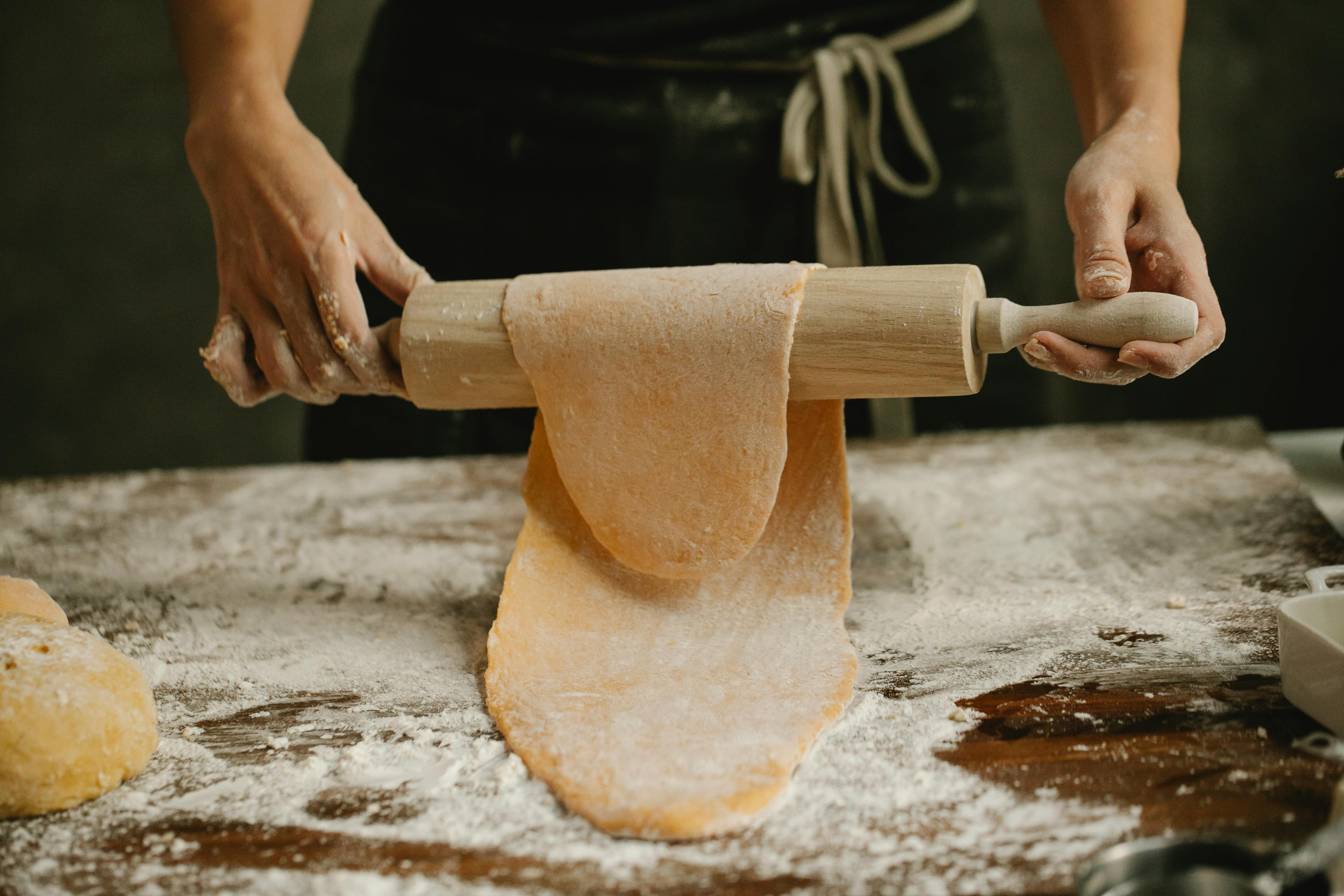
Start with simple shapes requiring minimal specialized tools. Fresh tagliatelle or pappardelle needs only a rolling pin, work surface, and knife or pastry wheel. Master the fundamental skills—making properly hydrated dough, kneading to develop gluten, rolling to even thinness—before investing in specialized tools for complex shapes.
As your skills and enthusiasm grow, add tools that enable shapes you're excited to explore. Love filled pastas? Invest in quality ravioli stamps. Fascinated by traditional regional shapes? Acquire gnocchi boards or garganelli combs. Build your tool collection gradually based on actual usage rather than acquiring everything at once.
Store pasta-making tools together in dedicated space—a drawer, cabinet section, or portable container. Keeping everything accessible encourages regular pasta making while preventing tools from getting lost in general kitchen clutter.
Conclusion
Hand-rolled Italian pasta connects you to culinary tradition while delivering incomparable flavor, texture, and satisfaction. The essential tools are simple and affordable—a quality rolling pin, adequate work surface, bench scraper, and cutting implements get you started. As your passion grows, specialized tools expand your capabilities while maintaining the hands-on, traditional approach that makes fresh pasta so rewarding.
The investment in specialty pasta-making tools pays dividends through countless meals of superior fresh pasta. Each session builds skill and confidence, transforming what initially seems daunting into comfortable, almost meditative practice. Whether you're rolling silky sheets for lasagna, cutting wide ribbons of pappardelle, or forming delicate filled ravioli, the right tools make the process efficient, enjoyable, and successful.
Ready to begin your fresh pasta journey? Gather the essential tools, source quality ingredients, and embrace the learning process. The first few attempts might not be perfect, but each session teaches invaluable lessons while producing delicious results. Soon you'll be creating restaurant-quality fresh pasta that transforms everyday meals into special occasions—all accomplished with your own hands and simple, time-tested tools.