

Maple vs Walnut vs Cherry: Choosing the Right Wood for Your Cutting Board
- Posted on
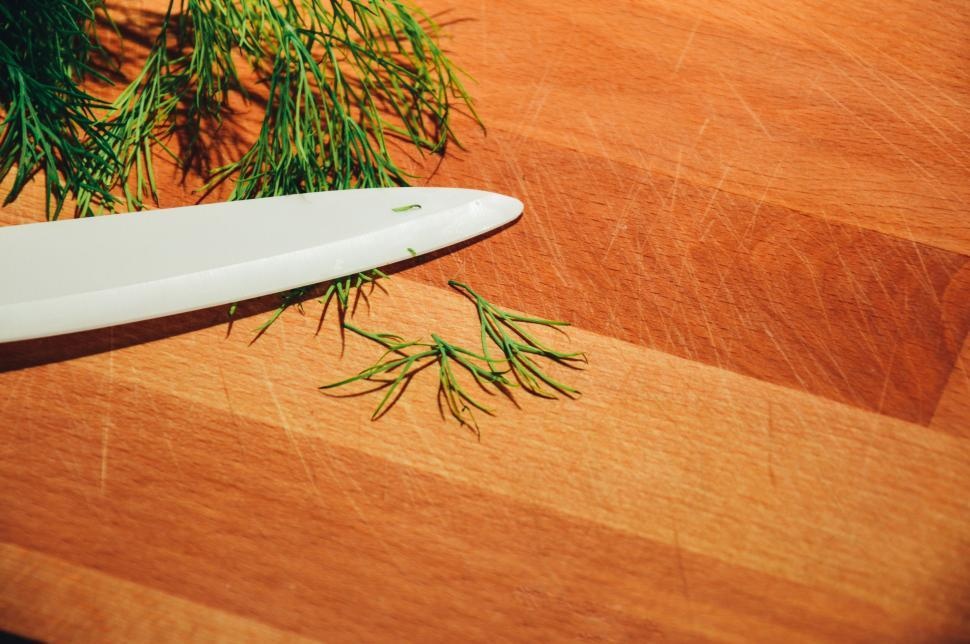
When investing in a quality wooden cutting board, the type of wood you choose affects far more than aesthetics. The wood species determines your board's durability, knife-friendliness, maintenance requirements, resistance to bacteria, and how it ages over time. Among hardwoods suitable for cutting boards, maple, walnut, and cherry stand out as the most popular choices, each offering distinct characteristics that appeal to different cooking styles and preferences.
Understanding the unique properties of these three premier cutting board woods empowers you to make an informed decision that aligns with your kitchen needs, aesthetic preferences, and maintenance expectations. This comprehensive guide explores the practical and aesthetic differences between maple, walnut, and cherry cutting boards, helping you select the perfect wood for your culinary workspace.
Why Wood Species Matters
Not all woods are created equal when it comes to cutting board construction. The ideal cutting board wood must balance several critical factors: hardness sufficient to withstand daily cutting without excessive wear, porosity low enough to resist moisture absorption and bacterial growth, toxicity absence to ensure food safety, and grain structure appropriate for knife preservation.
Maple, walnut, and cherry all meet these essential criteria while offering distinct advantages. These closed-grain hardwoods provide naturally antimicrobial properties, appropriate hardness levels, and food-safe characteristics that make them safe and effective for food preparation surfaces. However, their differences in color, grain pattern, hardness, and aging characteristics create meaningfully different user experiences.
Maple: The Professional's Choice

Hardness and Durability
Maple, particularly hard maple (also called sugar maple or rock maple), reigns as the most popular cutting board wood in professional kitchens and among serious home cooks. With a Janka hardness rating of approximately 1,450, maple provides exceptional durability that withstands years of intensive use while remaining gentle enough on knife edges to avoid excessive dulling.
The impressive hardness means maple cutting boards resist deep gouges, knife marks, and surface damage better than softer alternatives. Even after years of daily use processing hundreds of meals, properly maintained maple boards maintain relatively smooth surfaces that remain functional and attractive. This longevity makes maple an excellent investment for cooks who want cutting boards that will serve them for decades.
Natural Antimicrobial Properties
Research has demonstrated that maple possesses natural antimicrobial properties that help inhibit bacterial growth on cutting surfaces. The wood's tight grain structure and natural extractives create an environment where bacteria struggle to survive and multiply. While all wooden cutting boards require proper cleaning and maintenance, maple's inherent resistance to bacterial colonization provides additional food safety assurance.
The closed-grain structure also means maple absorbs less moisture than open-grain woods, reducing the risk of warping, splitting, and bacterial harboring in moisture-laden wood fibers. This makes maple particularly suitable for cooks who frequently prepare raw meats, poultry, and other potentially hazardous foods requiring meticulous sanitation.
Aesthetic Characteristics
Maple offers a light, creamy appearance ranging from nearly white to pale blonde with subtle variations. The fine, uniform grain pattern creates a clean, neutral backdrop that complements any kitchen color scheme without overwhelming the visual space. Some maple boards display subtle figure patterns including bird's eye, curly, or tiger stripe grain that adds visual interest while maintaining the wood's characteristic light appearance.
The neutral coloring provides practical advantages beyond aesthetics—light surfaces make food particles, stains, and areas needing cleaning immediately visible. You can spot and address cleanliness issues at a glance, contributing to better food safety practices.
Aging and Patina Development
Maple cutting boards age gracefully, developing warm honey tones over years of use and exposure to light. The gradual darkening adds character without dramatically changing the board's appearance. Properly maintained maple boards develop rich patina that tells the story of thousands of meals prepared while remaining attractive and functional.
However, maple's light color also means stains from colorful foods like beets, berries, and turmeric are more visible. Regular cleaning and occasional deep cleaning with lemon juice and coarse salt help manage staining, though some discoloration is inevitable and adds to the board's character.
Maintenance Considerations
Maple requires consistent but straightforward maintenance. Monthly oiling with food-safe mineral oil keeps the wood properly hydrated, preventing cracking and warping while maintaining the board's light appearance. The closed-grain structure means maple accepts oil treatments readily without excessive absorption that would leave surfaces feeling greasy.
Maple's hardness also means the surface resists deep knife marks that can harbor bacteria, though all cutting boards eventually show use patterns. When necessary, maple boards sand smoothly to restore like-new surfaces.
Walnut: The Elegant Alternative
Rich Aesthetic Appeal
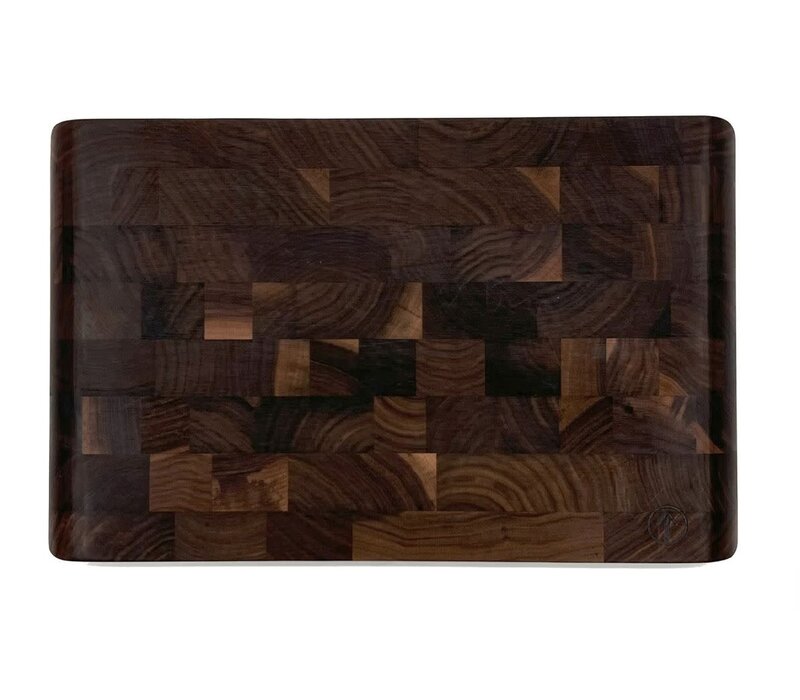
Walnut cutting boards make stunning visual statements with their rich chocolate brown coloring ranging from light tan sapwood to deep, dark brown heartwood. The dramatic color variations within individual boards create natural artistic patterns that make each walnut cutting board a unique piece. Many cooks choose walnut specifically for its showpiece appearance, leaving these boards prominently displayed on countertops where they serve as kitchen focal points.
The dark coloring provides practical stain-hiding advantages. Food discoloration that would be obvious on light maple virtually disappears against walnut's dark background. Red wine, beet juice, berry stains, and other colorful culprits that plague light woods blend seamlessly into walnut surfaces.
Moderate Hardness
With a Janka hardness rating of approximately 1,010, walnut is softer than maple but still sufficiently hard for cutting board applications. This moderate hardness creates an exceptionally knife-friendly surface—the softer wood is gentler on blade edges, potentially extending the time between sharpening sessions.
However, the reduced hardness means walnut boards show knife marks more readily than maple alternatives. The visible cut lines contribute to a "well-used" aesthetic that many cooks appreciate, viewing the marks as badges of honor representing meals prepared and memories made. For others, the visible wear is less appealing, requiring more frequent sanding to maintain smooth surfaces.
Natural Character
Walnut's open grain structure creates more pronounced grain patterns than maple, offering visual texture and depth. Some walnut boards include dramatic figure patterns, knots, and color variations that showcase the wood's natural beauty. This character appeals to cooks who value organic, natural aesthetics over uniform appearance.
The more open grain does mean walnut is slightly more porous than maple, absorbing moisture and oils more readily. This requires attention to proper maintenance including regular oiling and thorough drying after washing to prevent moisture-related issues.
Weight Considerations
Walnut is moderately lighter than maple, making walnut boards slightly easier to move and handle. For cooks who prefer storing boards between uses or who need to transport boards frequently, the weight difference, while not dramatic, offers practical advantages.
Aging Characteristics
Walnut develops beautiful patina over time, often deepening in color and developing even richer tones with age and exposure. The wood's natural oils contribute to its aging characteristics, creating surfaces that improve aesthetically with use. Well-maintained walnut cutting boards often become more beautiful over decades of service.
Cherry: The Beautiful Middle Ground
Distinctive Coloring
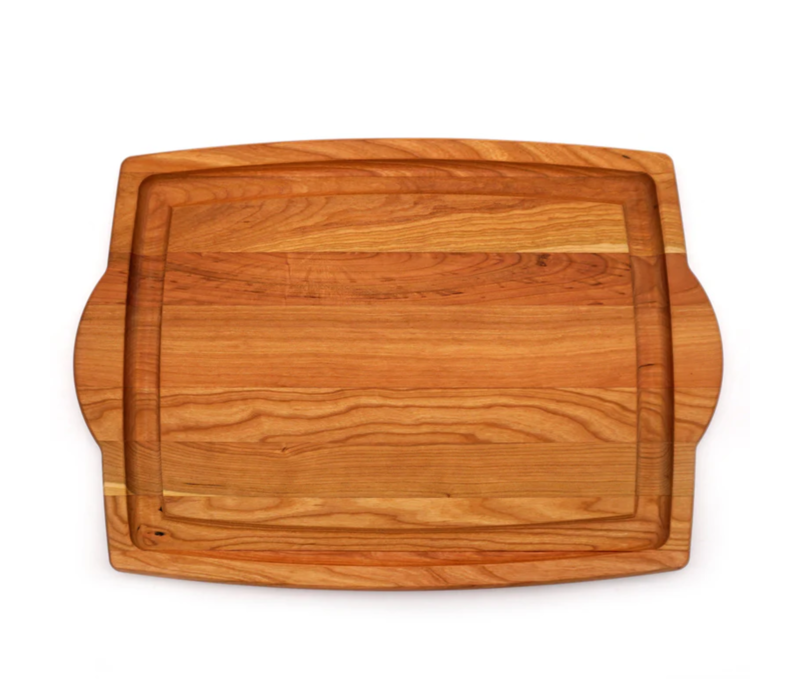
Cherry cutting boards offer warm, reddish-brown coloring that distinguishes them from both light maple and dark walnut. Fresh cherry wood starts relatively light—pale pinkish-brown—but undergoes dramatic color transformation through oxidation and light exposure. Over months and years, cherry deepens to rich reddish-brown and eventually warm auburn tones that many woodworkers and cooks consider among the most beautiful wood colors.
This aging process means cherry cutting boards evolve aesthetically, becoming more attractive over time. The gradual transformation creates a living piece that changes and develops character throughout its lifespan. For cooks who appreciate this dynamic quality, cherry offers uniquely rewarding ownership experience.
Moderate Hardness and Workability
Cherry's Janka hardness rating of approximately 950 places it slightly softer than walnut and considerably softer than maple. This moderate hardness provides excellent knife-friendliness while offering adequate durability for home kitchen applications. Cherry strikes a pleasing balance—hard enough to resist excessive damage while soft enough to be gentle on knife edges.
The moderate hardness means cherry shows use patterns including knife marks, developing the "well-loved" appearance that tells the story of the board's service. For many cooks, this aesthetic aging is desirable, creating boards with history and character.
Fine Grain Character
Cherry features fine, straight grain patterns with occasional wavy or curly figure that adds subtle visual interest. The grain is less pronounced than walnut but more visible than maple, offering middle-ground aesthetics. Cherry's natural luster creates surfaces with attractive sheen when properly finished and maintained.
Some cherry boards include pin knots, mineral streaks, and gum pockets that are natural characteristics of the species. These features add organic character that appeals to cooks who value natural wood appearance over uniformity.
Maintenance and Care
Cherry requires maintenance similar to maple and walnut—regular oiling, proper cleaning, and thorough drying. The fine grain structure accepts oil treatments well, and the moderate hardness allows straightforward sanding when surface restoration becomes necessary.
Cherry's moderate color helps hide some staining while remaining light enough that cleanliness assessment remains straightforward. The wood's natural aging means it develops patina that often disguises minor imperfections and stains within the overall color evolution.
Availability and Pricing
Cherry typically falls in the middle price range between abundant maple (often least expensive) and sometimes harder-to-source walnut. American cherry is readily available and sustainably harvested, making it an environmentally conscious choice for cooks concerned about responsible forestry practices.
Comparing the Three: Direct Analysis
Hardness Ranking
- Maple (1,450 Janka) - Hardest, most durable, most resistant to knife marks
- Walnut (1,010 Janka) - Moderate hardness, very knife-friendly
- Cherry (950 Janka) - Softest of the three, exceptionally gentle on knives
Color Spectrum
- Maple: Light cream to pale blonde
- Walnut: Rich chocolate brown to dark brown
- Cherry: Pinkish-brown aging to deep reddish-auburn
Stain Resistance (Visual)
- Walnut - Dark color hides stains best
- Cherry - Moderate color conceals many stains
- Maple - Light color shows stains most visibly
Grain Tightness
- Maple - Tightest, most closed grain, least porous
- Cherry - Moderate, fine grain structure
- Walnut - More open grain, slightly more porous
Antimicrobial Properties
All three woods possess natural antimicrobial characteristics, with maple showing the most studied and documented antibacterial effects due to its tight grain structure and natural extractives.
Mixed Wood Cutting Boards

Many premium cutting boards combine multiple wood species to capture the best characteristics of each. Common combinations include:
Maple and Walnut: The classic pairing creates stunning visual contrast with light maple and dark walnut arranged in checkerboard patterns or decorative designs. This combination provides maple's durability and walnut's aesthetic appeal in a single board.
Maple, Walnut, and Cherry: Three-wood combinations offer maximum visual interest with light, medium, and dark tones creating complex patterns. The varied colors showcase craftsmanship while providing the practical benefits of different wood characteristics in different board sections.
Mixed wood boards are particularly common in end grain construction, where the checkerboard arrangement naturally accommodates multiple species. These boards often command premium prices reflecting both the additional materials and the increased labor required for precise pattern execution.
Making Your Selection
Choose Maple If You:
- Prioritize maximum durability and longevity
- Want the hardest, most damage-resistant surface
- Prefer light, neutral aesthetics
- Value documented antimicrobial properties
- Need boards for heavy-duty daily use
- Don't mind visible staining on light surfaces
- Want the most traditional professional choice
Choose Walnut If You:
- Value dramatic, rich aesthetics
- Want a showpiece cutting board for display
- Prefer surfaces that hide stains naturally
- Appreciate visible grain patterns and natural character
- Don't mind slightly more pronounced knife marks
- Want exceptionally knife-friendly surfaces
- Can invest in premium pricing for aesthetics
Choose Cherry If You:
- Love warm, reddish tones and color evolution
- Appreciate wood that becomes more beautiful with age
- Want balanced knife-friendliness and durability
- Prefer moderate pricing between maple and walnut
- Value fine grain with subtle character
- Enjoy living pieces that develop personality
- Want middle-ground aesthetics
The Multi-Board Approach
Many serious home cooks eventually acquire cutting boards in multiple wood species, each serving different purposes. A large maple board handles heavy-duty daily prep work with maximum durability. A beautiful walnut board serves as a carving and serving board for entertaining. A cherry board provides backup capacity or handles specific ingredients you prefer keeping separate.
This approach maximizes the benefits of each wood species while creating functional redundancy that extends the lifespan of each individual board through reduced intensive use.
Sustainable Considerations
All three wood species—maple, walnut, and cherry—are domestically available from sustainable North American forestry operations. Choosing American-harvested boards supports responsible forest management and reduces environmental impact compared to imported exotic woods.
Look for boards sourced from FSC-certified forests or manufactured by companies committed to sustainable practices. Quality cutting board manufacturers typically provide information about wood sourcing and sustainability commitments.
Conclusion
Maple, walnut, and cherry each offer compelling advantages for cutting board applications, with the "best" choice depending entirely on your priorities. Maple delivers maximum durability and proven performance for serious daily cooking. Walnut provides stunning aesthetics that transform functional tools into kitchen art. Cherry offers beautiful middle ground with warm colors and rewarding aging characteristics.
Understanding the practical differences—hardness, grain structure, antimicrobial properties, and maintenance needs—alongside aesthetic preferences empowers you to select cutting boards that will serve you faithfully for decades while enhancing your kitchen's appearance and your cooking experience.
Ready to invest in a premium wooden cutting board that matches your cooking style and aesthetic vision? Explore our curated collection of cutting boards featuring quality maple, walnut, and cherry options from trusted manufacturers. From compact everyday boards to statement-piece carving boards, find the perfect wood species and construction for your culinary workspace.