

Must-Have Specialty Tools That Make Cooking Easier
- Posted on
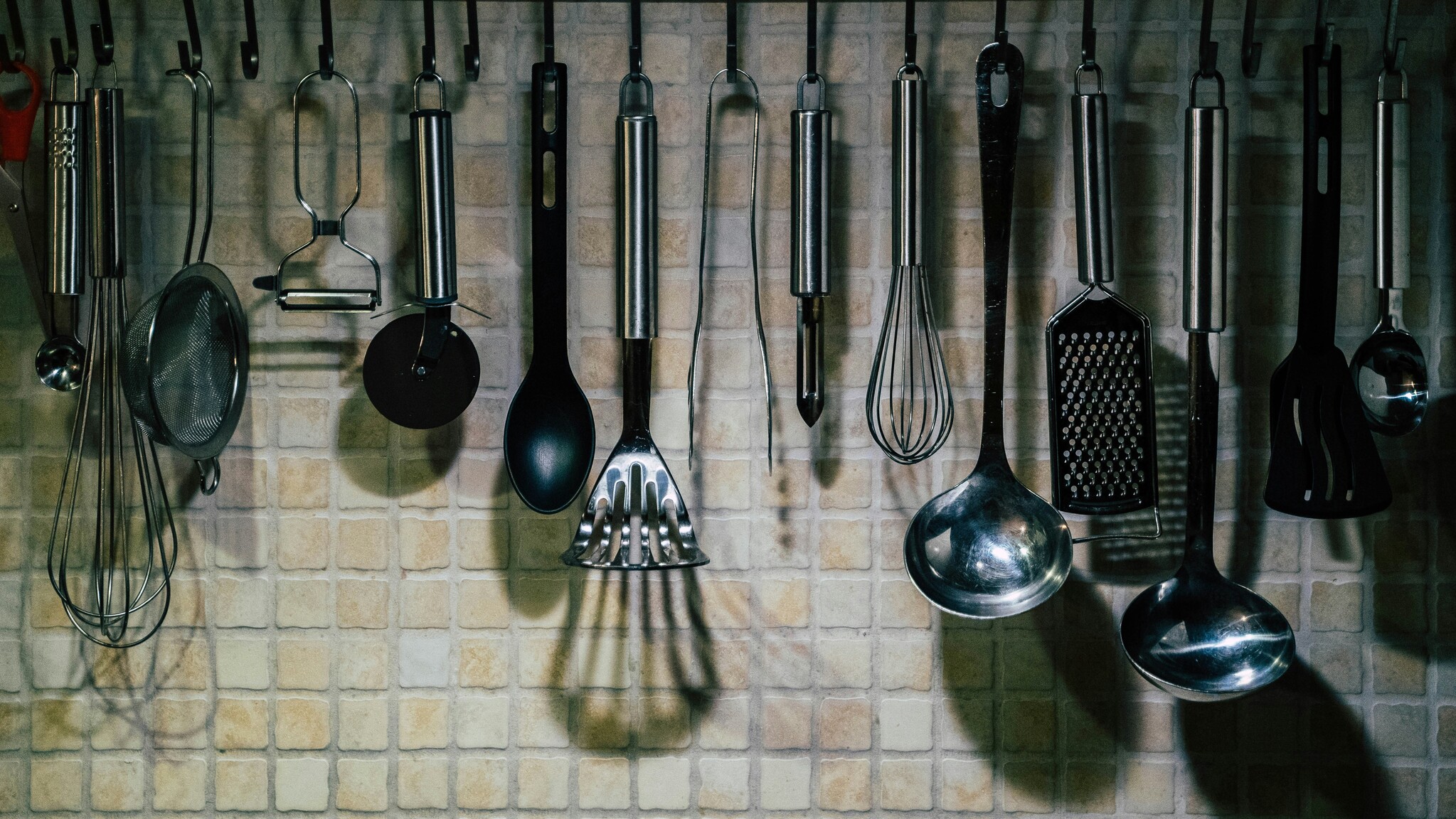
Every cook reaches a point where basic kitchen equipment—knives, cutting boards, pots, and pans—no longer satisfies their culinary ambitions. Whether you're attempting complex recipes, exploring international cuisines, or simply looking to work more efficiently in the kitchen, specialty tools bridge the gap between what you want to create and what your current equipment allows. These purpose-built implements transform challenging techniques into manageable tasks, expand your recipe repertoire, and often save significant time and effort.
The right specialty tools don't just make cooking easier—they make it more enjoyable, more creative, and more successful. This comprehensive guide explores essential specialty kitchen tools that deliver meaningful improvements to your cooking experience, from pasta-making equipment to precision gadgets that solve specific culinary challenges.
Understanding Specialty Kitchen Tools
Specialty tools differ from general kitchen equipment in their focused purpose. While a chef's knife handles hundreds of different cutting tasks, a ravioli stamp does exactly one thing—but does it perfectly. This specialization means these tools often deliver superior results for specific applications compared to improvising with general-purpose equipment.
The key to building a valuable specialty tool collection lies in selecting items you'll actually use regularly or that enable recipes and techniques you're genuinely excited to explore. A pasta maker gathering dust represents wasted money and space, while a microplane zester used weekly justifies every penny spent.
Pasta-Making Tools: Bringing Italy Home

Ravioli Stamps and Cutters
Fresh homemade ravioli transforms simple ingredients into restaurant-quality dishes, but forming evenly shaped, properly sealed ravioli by hand proves frustratingly difficult. Ravioli stamps solve this challenge elegantly. These die-cast aluminum tools with wooden handles cut and seal pasta dough in a single pressing motion, creating perfectly shaped pockets that hold fillings securely without bursting during cooking.
Round ravioli stamps produce classic circular shapes, while square cutters create traditional square ravioli. Fluted edges add decorative touches while enhancing the seal. The solid construction ensures clean cuts through delicate pasta dough without tearing, and the same stamps often double as cookie cutters for sweet applications.
Using ravioli stamps eliminates the most tedious aspects of fresh pasta making. What once required painstaking hand-crimping now takes seconds per ravioli, making fresh filled pasta a realistic weeknight dinner option rather than an all-day project reserved for special occasions.
Gnocchi Boards
Gnocchi boards—simple wooden paddles with ridged surfaces—add authentic texture to these pillowy Italian dumplings. Rolling gnocchi across the ridged board creates grooves that serve both aesthetic and functional purposes. The ridges increase surface area, allowing more sauce to cling to each dumpling, while the traditional appearance signals authentic preparation.
The technique is simple: press each gnocchi dumpling gently against the board while rolling it toward you with your thumb. The motion creates the characteristic ridged pattern in seconds. While not strictly necessary for making gnocchi, the board elevates your results from acceptable to excellent, and the tool costs just a few dollars while lasting indefinitely.
Pasta Rolling Pins
Specialty pasta rolling pins differ significantly from standard baking rolling pins. Thin, lightweight, and often pin-style without handles, pasta rolling pins provide the control and maneuverability needed for working with delicate pasta dough. The smaller diameter and reduced weight allow precise pressure control when rolling dough to the paper-thin consistency required for filled pastas like ravioli and tortellini.
Asian-style rolling pins work beautifully for pasta applications, offering the same controlled rolling characteristics. Their compact size also makes them ideal for small kitchen spaces where full-size rolling pins prove cumbersome.
Precision Graters and Zesters
Microplane Zesters
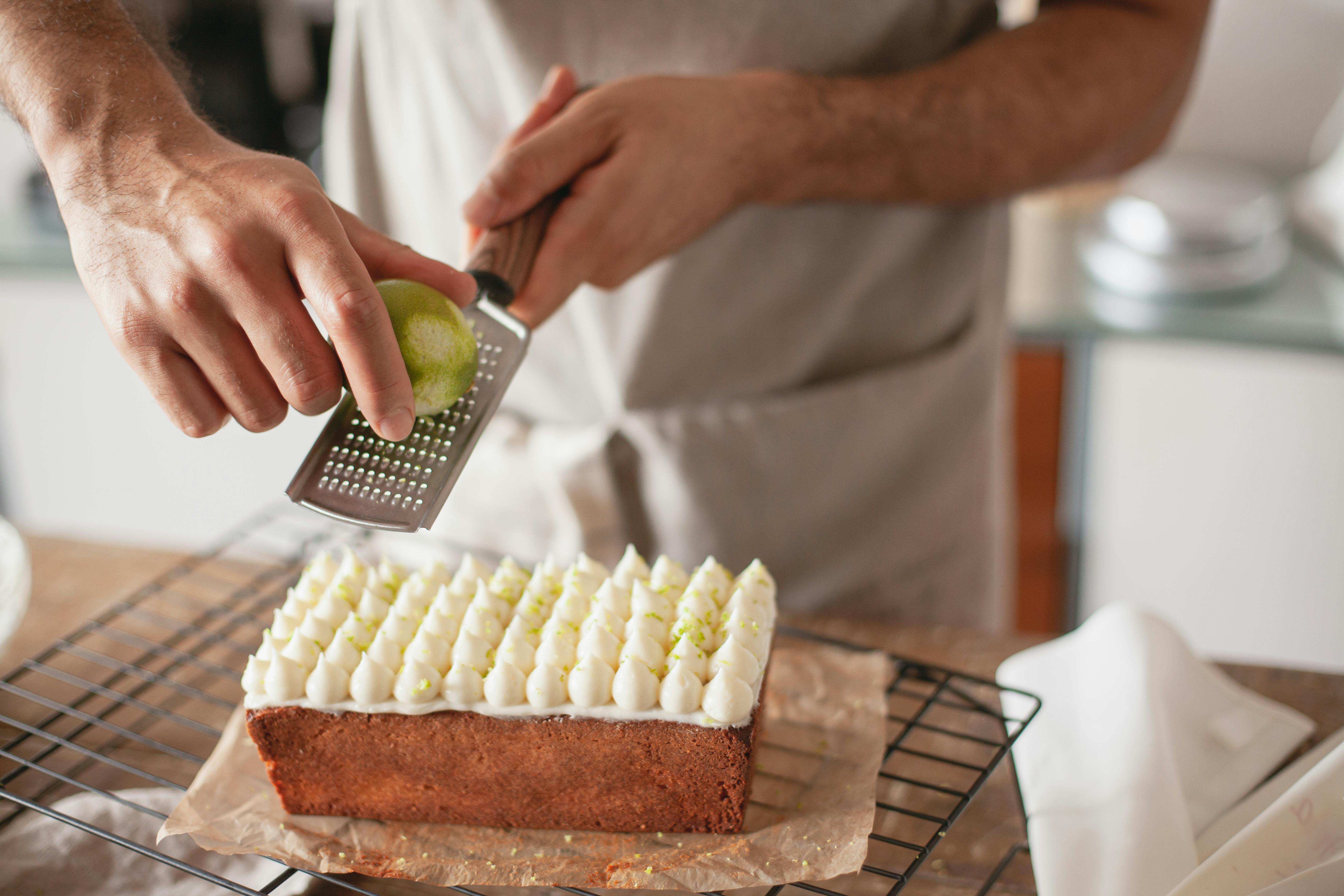
The Microplane zester revolutionized home cooking when it adapted woodworking rasps for kitchen use. These razor-sharp tools effortlessly zest citrus fruits, grate hard cheeses, mince garlic, shave chocolate, and grate whole spices like nutmeg and cinnamon. The ultra-fine grating produces feathery, delicate textures impossible to achieve with traditional box graters.
Citrus zest adds bright, aromatic flavor to both sweet and savory dishes, but traditional graters remove bitter white pith along with flavorful zest. Microplane's surgical-sharp edges shave only the outermost colored layer, capturing pure essential oils without bitterness. This precision transforms citrus from occasional ingredient to staple flavoring agent.
The tool's versatility justifies prominent placement in any kitchen. Grate Parmesan over pasta, zest lemon into vinaigrettes, shave chocolate onto desserts, and grate fresh ginger into stir-fries—all with a single tool that costs less than a nice bottle of wine but delivers daily value for years.
Specialized Cutting and Shaping Tools

Mandoline Slicers
Mandoline slicers produce uniformly thin slices impossible to achieve with even the sharpest knives and most skilled knife work. These adjustable slicing platforms create consistent thickness from paper-thin potato chips to precise vegetable slices for gratins, creating both visual appeal and even cooking.
The consistency matters tremendously for dishes where uniform cooking is essential. Potato gratins with varying slice thickness cook unevenly, with thin pieces burning before thick pieces finish. Mandoline-sliced vegetables cook uniformly, delivering consistent texture throughout the dish.
Safety considerations are paramount—mandoline blades are extremely sharp and unforgiving. Always use the hand guard, work slowly and deliberately, and never process the final small piece of each vegetable. The uniform results and time savings justify the tool's cost and learning curve.
Kitchen Shears
Quality kitchen shears handle dozens of tasks more efficiently than knives. Snip fresh herbs directly into dishes, cut through chicken joints for breaking down whole birds, trim pie dough, portion pizza, cut parchment paper, open packaging, and butterfly poultry for even cooking. Multi-purpose shears with built-in features handle additional tasks—nutcrackers built into handles, jar openers on the blade spine, and bottle cap removers add functionality.
Spring-loaded poultry shears provide additional cutting power for challenging tasks like cutting through chicken bones or lobster shells. The spring mechanism reduces hand fatigue during repetitive cutting, while robust construction handles tough materials without damage.
Unlike standard scissors, kitchen shears come apart for thorough cleaning, preventing bacterial buildup in pivot points. Dishwasher-safe construction further simplifies sanitation.
Pastry Wheels and Cutters
Fluted pastry wheels create decorative edges on pie crusts, cut lattice strips, portion fresh pasta, and trim pastry dough cleanly. The wavy edge produced by fluted wheels adds visual interest while serving functional purposes—the crimped edges help seal moisture inside hand pies and empanadas.
Straight-edge pastry wheels work beautifully for cutting fresh pasta into pappardelle, lasagna sheets, or fettuccine when you don't own a pasta machine. The rolling action prevents dough from sticking to blades as happens with knives, producing cleaner cuts with less effort.
Mixing and Blending Specialists

Immersion Blenders
Immersion blenders (stick blenders) revolutionize soup-making, sauce preparation, and smoothie creation. Rather than transferring hot liquids to countertop blenders—a messy, dangerous proposition—immersion blenders process food directly in cooking vessels. Puree soup in the pot, emulsify vinaigrettes in measuring cups, blend smoothies in glasses, and whip cream in bowls.
The convenience factor is transformative. Making pureed soup becomes a simple process: cook vegetables in broth, season appropriately, and blend directly in the pot with the immersion blender. No transferring scalding liquid in batches, no cleaning countertop blender components, no risk of hot liquid erupting from blender tops.
Quality immersion blenders include multiple attachments—whisk attachments for whipping cream and egg whites, chopper bowls for processing nuts and herbs, and various blade options for different textures. This versatility makes immersion blenders among the most cost-effective specialty appliances available.
Balloon Whisks
While basic whisks suffice for many tasks, large balloon whisks excel at incorporating air into mixtures. The generous rounded shape and numerous thin wires trap and incorporate maximum air volume when whipping egg whites, whipped cream, or creating fluffy batters.
The physics of balloon whisk design—thin, flexible wires arranged in spherical patterns—creates optimal conditions for aeration. Each stroke pulls air into the mixture more efficiently than flat or narrow whisk designs. For bakers who regularly whip cream or make meringues, balloon whisks deliver noticeably superior results.
Specialty Measuring and Portioning Tools

Digital Kitchen Scales
Precision baking and cooking benefit tremendously from weight-based measurement rather than volume-based cups and spoons. Digital scales eliminate measurement variability—a cup of flour can weigh anywhere from 120 to 150 grams depending on how it's scooped, but 125 grams is always 125 grams.
This precision matters especially in baking, where ingredient ratios determine success or failure. Professional recipes increasingly specify weights rather than volumes for this reason. Scales also simplify scaling recipes up or down—doubling a recipe measured by weight requires no mathematical gymnastics with cup fractions.
Beyond accuracy, scales streamline measurement. One bowl on the scale, tare between ingredients, and you've measured everything without dirtying measuring cups. This efficiency particularly benefits bread baking and other recipes requiring numerous precisely measured ingredients.
Adjustable Measuring Spoons
Adjustable measuring spoons consolidate multiple measurements into single tools. Slide the adjustment mechanism to the desired measurement, fill, and level. These space-saving devices particularly benefit small kitchens where drawer space for complete measuring spoon sets is limited.
The convenience extends beyond space savings—one tool handles all measurements, eliminating the search through drawers for the correct size. For cooks who find traditional measuring spoon sets frustrating, adjustable versions provide welcome relief.
Heat Management Tools
Instant-Read Thermometers
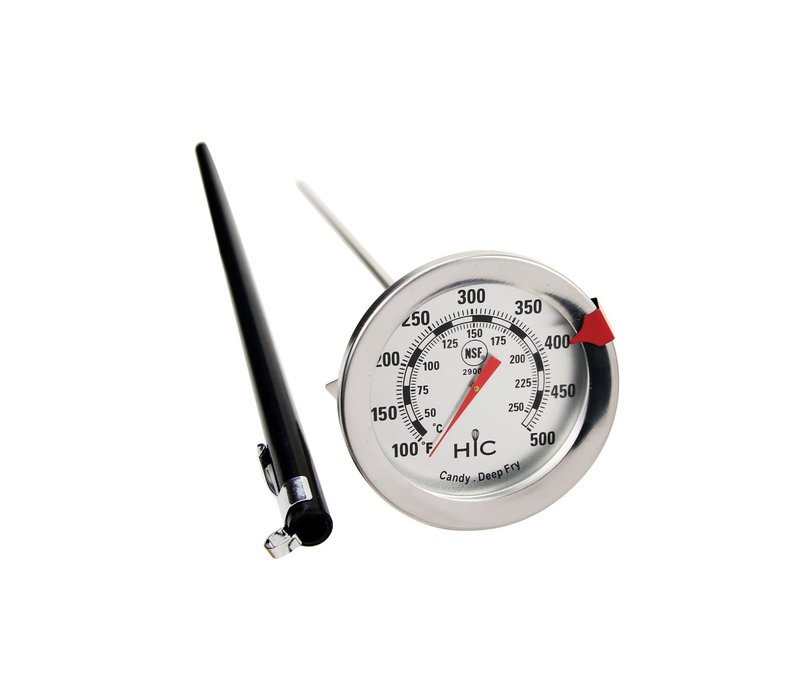
Guessing doneness leads to overcooked, dry meats or dangerous undercooked proteins. Instant-read thermometers eliminate guesswork, providing accurate internal temperature readings in seconds. Insert the probe into the thickest part of the meat, wait for the reading to stabilize, and remove the meat at the precise target temperature.
The accuracy prevents both food safety concerns and quality issues. Chicken cooked to exactly 165°F is juicy and safe; chicken cooked to 180°F because you weren't sure is dry and disappointing. Steak removed at precisely 130°F delivers perfect medium-rare throughout rather than overcooked edges and undercooked centers.
Quality digital thermometers provide readings in under three seconds, fold for compact storage, and display temperatures clearly. Many include target temperature guides for various proteins, eliminating the need to memorize safe cooking temperatures.
Silicone Basting Brushes
Traditional natural bristle basting brushes harbor bacteria, shed bristles into food, and deteriorate quickly. Silicone basting brushes solve all these problems while offering additional advantages. The heat-resistant silicone tolerates temperatures up to 600°F, allowing you to brush marinades onto sizzling grill surfaces without melting or damage.
The non-porous silicone doesn't absorb flavors or colors, preventing flavor transfer between sweet and savory applications. Dishwasher-safe construction simplifies cleaning, and the durable material lasts for years without deterioration. The angled brush head reaches into corners and applies even coats more efficiently than natural bristles.
Specialty Prep Tools

Garlic Presses
Mincing garlic with knives works, but garlic presses work better and faster. Load peeled or unpeeled cloves into the chamber, squeeze, and perfectly minced garlic extrudes through the holes. The fine mince distributes garlic flavor more evenly through dishes than hand-chopped pieces, and the process takes seconds rather than minutes.
Quality garlic presses feature sturdy construction that withstands the force required to crush cloves, comfortable handles that provide leverage, and easy-clean designs that don't trap garlic pulp in inaccessible spaces. Many include built-in cleaning tools that push residue out of the holes effortlessly.
Citrus Juicers
Fresh citrus juice elevates countless dishes—vinaigrettes, marinades, cocktails, desserts, and finishing touches on roasted vegetables. While you can squeeze citrus by hand, dedicated juicers extract significantly more juice with less effort while filtering seeds and pulp.
Handheld citrus reamers work wonderfully for occasional juicing, while tabletop press juicers handle larger quantities efficiently. The Mexican-style press juicers crush entire citrus halves, extracting maximum juice including essential oils from the peel for more complex flavor.
Fresh juice tastes incomparably better than bottled alternatives, contains no preservatives, and adds bright acidity that brings dishes to life. A simple citrus juicer encourages using fresh juice regularly rather than defaulting to bottled options.
Building Your Specialty Tool Collection
Start with tools that address your specific cooking frustrations or enable recipes you're excited to explore. A pasta enthusiast benefits tremendously from ravioli stamps and gnocchi boards, while someone who never makes pasta finds these tools useless. An avid baker needs precision measuring tools and pastry wheels, while a casual cook needs neither.
Purchase quality versions of frequently used specialty tools—these justify higher prices through daily value delivery. For occasional-use items, mid-range options provide adequate performance without excessive investment. Avoid ultra-cheap specialty tools that break quickly or perform poorly, as they discourage use and waste money.
Store specialty tools accessibly. Items buried in deep cabinet backs or high shelves go unused. Drawer organizers, hanging racks, or countertop crocks keep frequently used specialty tools at hand, encouraging regular use that justifies their existence.
Conclusion
Specialty kitchen tools transform cooking from basic sustenance preparation into creative, efficient, enjoyable culinary exploration. The right tools eliminate frustrations, enable new recipes and techniques, and often save time while improving results. From pasta-making equipment that brings authentic Italian techniques home to precision instruments that elevate everyday cooking, specialty tools expand what's possible in your kitchen.
Building a thoughtful specialty tool collection requires considering your actual cooking patterns, storage capacity, and culinary interests. Select tools that address genuine needs or enable techniques you're genuinely excited to master, and invest in quality versions that will deliver reliable performance for years. The result is a kitchen equipped to handle whatever culinary challenges or creative inspirations emerge, making every cooking session more productive, more enjoyable, and more successful.