

Spice Grinder vs. Coffee Grinder: Can You Use the Same Tool for Both?
- Posted on
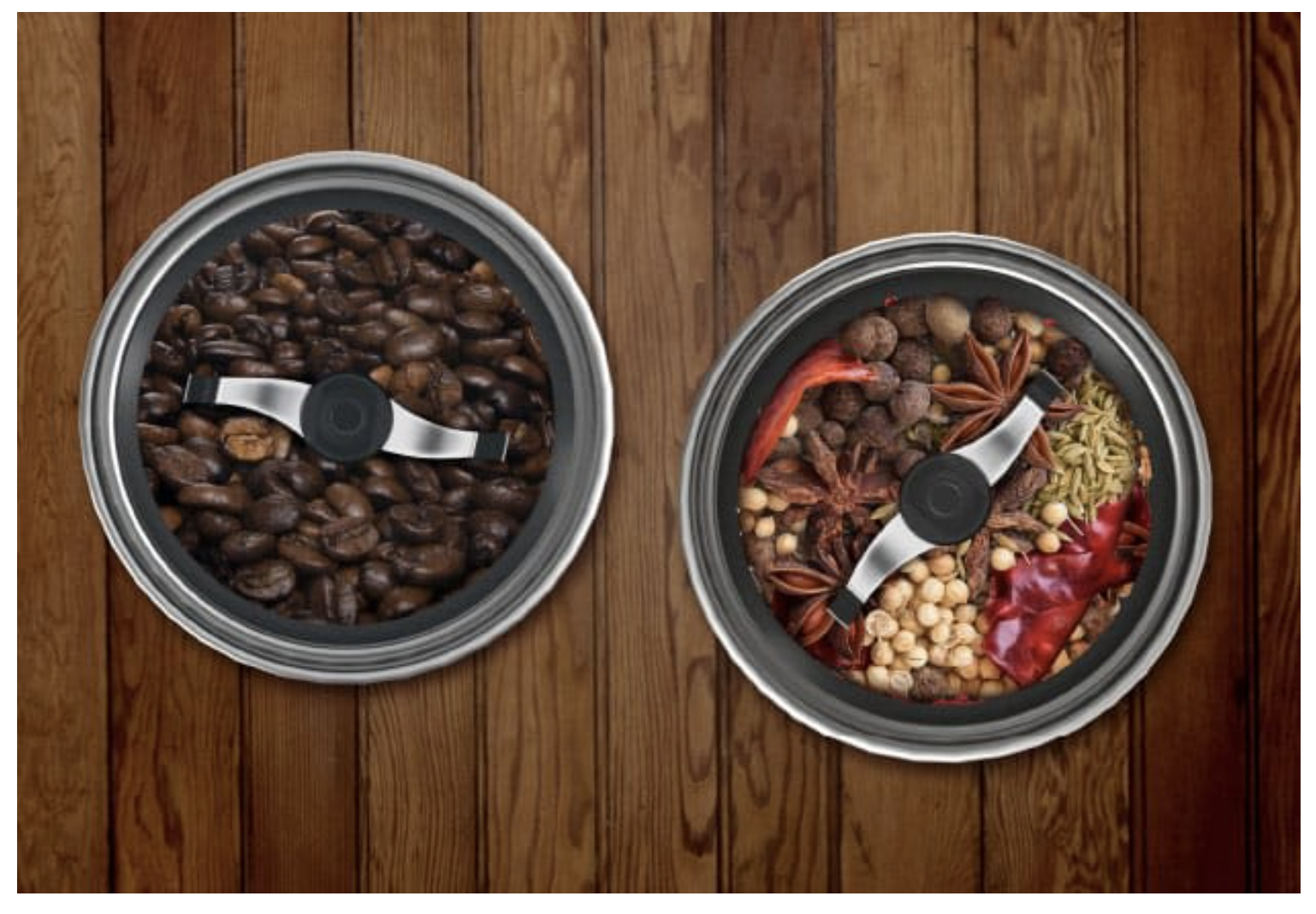
Standing in your kitchen with a quality coffee grinder and whole spices waiting to be ground, you've probably wondered: can I just use my coffee grinder for spices? After all, they look nearly identical, perform similar functions, and buying separate appliances seems redundant when cabinet space is precious and budgets are finite. The question of whether you can use the same grinder for both coffee and spices is one of the most common debates among home cooks and coffee enthusiasts, with passionate advocates on both sides offering compelling arguments.
The short answer is technically yes, you can use the same grinder for both—but whether you should depends on several important factors including how seriously you take your coffee, how frequently you grind spices, and whether you're willing to manage the challenges that come with dual-purpose use. This comprehensive guide explores the similarities and differences between coffee and spice grinders, the practical implications of using one tool for both purposes, and strategies for making dual-purpose grinding work if you choose that path.
Understanding the Similarities
Basic Design and Function
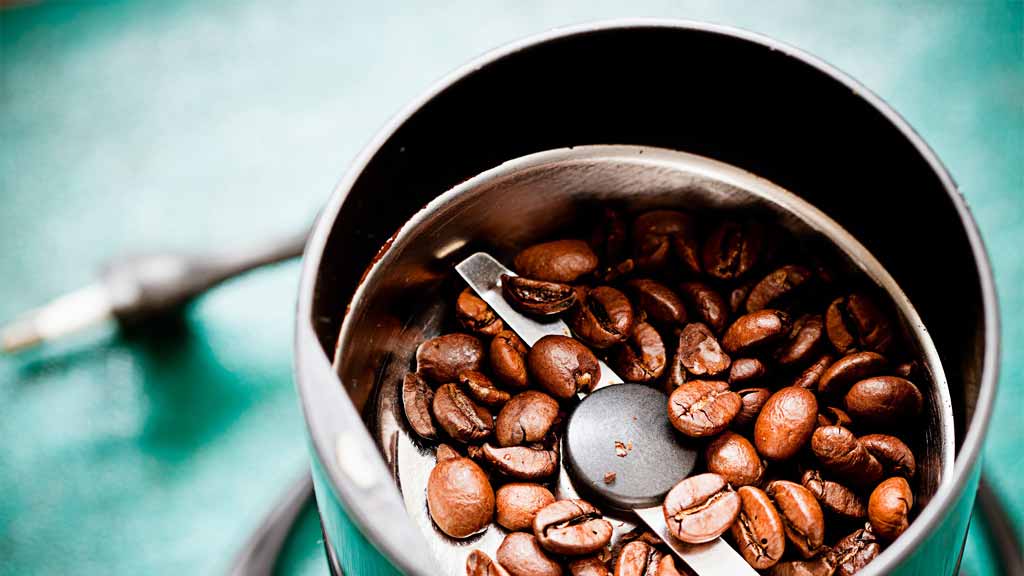
Coffee grinders and spice grinders share fundamental characteristics. Most blade-style grinders feature stainless steel grinding chambers, sharp rotating blades, powerful motors, and simple one-touch operation. The grinding mechanism—high-speed blade rotation that chops and pulverizes—works identically whether processing coffee beans or whole spices.
Many manufacturers actually market the same product as both a coffee grinder and spice grinder, simply changing the labeling and packaging. This isn't deceptive marketing—the tools genuinely function interchangeably for basic grinding applications. The physical capabilities are essentially identical.
Grinding Results
Both tools excel at reducing hard, dry materials into smaller particles. Coffee beans and most whole spices share similar hardness characteristics, meaning the same blade speed and power effectively processes both. Whether you're grinding cumin seeds or coffee beans, the mechanical action remains the same—repeated blade impacts fracture material into progressively smaller pieces.
The adjustability (or lack thereof) in basic blade grinders also applies equally to both applications. Most simple grinders offer no grind adjustment beyond grinding time—pulse briefly for coarse results, grind longer for fine powder, regardless of whether you're processing coffee or spices.
Critical Differences to Consider
Flavor and Aroma Persistence
Here lies the most significant challenge with dual-purpose use: aromatic compounds are remarkably persistent. Coffee oils coat grinding chamber walls and blade surfaces, leaving residual coffee flavors that transfer into subsequently ground spices. Conversely, potent spice oils—particularly from aromatic spices like cumin, coriander, cardamom, and cinnamon—leave lingering flavors that contaminate your next batch of coffee.
For coffee purists who can detect subtle flavor nuances in their brew, even trace amounts of residual spice oils create unacceptable contamination. That carefully sourced Ethiopian single-origin coffee shouldn't taste like yesterday's curry spices. The cross-contamination works both ways—your carefully crafted spice blend for tonight's dinner doesn't need coffee undertones.
The intensity of this issue depends on the specific spices involved. Neutral spices like black pepper cause less concern than intensely aromatic ones like cloves, star anise, or fenugreek. Similarly, mild coffee beans create less persistent residue than dark, oily roasts.
Grind Consistency Requirements
Coffee grinding demands consistency that spice grinding often doesn't require. Espresso preparation is particularly unforgiving—uniform particle size is essential for proper extraction and avoiding channeling (water finding easy paths through the grounds rather than extracting evenly). Inconsistent grinds produce inferior espresso with bitter and sour notes coexisting in the same shot.
For drip coffee, French press, and pour-over methods, grind consistency still matters significantly. Uniform particles extract at similar rates, producing balanced, predictable flavors. Mixed particle sizes create simultaneous over-extraction (bitter) of fine particles and under-extraction (sour, weak) of coarse particles.
Spice grinding is generally more forgiving. Whether your cumin is uniformly powdered or contains some coarser fragments usually doesn't affect final dish quality significantly. The spices release their flavors during cooking regardless of particle size uniformity. There are exceptions—certain applications like spice pastes or rubs benefit from consistent grinds—but most home cooking tolerates considerable variation.
Oiliness Considerations
Coffee beans, especially dark roasts, release substantial oils during grinding. These oils coat grinding chambers and blades, creating sticky residues that attract and hold particles. Over time, this buildup affects grinder performance and creates rancidity concerns as oils oxidize.
Many spices also contain significant oils—particularly seeds like cumin, coriander, and fennel. These oils similarly coat grinding surfaces. When you alternate between coffee and spices without thorough cleaning, you're mixing and accumulating different oils that can go rancid, affect flavors, and gum up grinding mechanisms.
Optimal Grind Settings
Serious coffee brewing often requires burr grinders with precise grind adjustments. Burr grinders crush beans between two abrasive surfaces with adjustable gaps, producing highly uniform particle sizes essential for quality espresso and precise pour-over brewing.
Most home spice grinding works fine with blade grinders, which offer less precision but adequate results for culinary applications. If you've invested in a quality burr grinder for coffee, using it for spices might be problematic—hard spices can damage burr surfaces, spice oils can affect the mechanism, and thorough cleaning becomes more complex with burr grinder disassembly requirements.
The Case for Dedicated Grinders
Coffee Quality Protection
Coffee enthusiasts who've invested in quality beans, brewing equipment, and technique development understandably want to protect their coffee from flavor contamination. Even minimal residual spice oils can detectably affect delicate coffee flavors, rendering premium beans indistinguishable from mediocre alternatives.
Dedicating a grinder exclusively to coffee ensures pure, uncontaminated flavors that allow you to appreciate the nuanced characteristics of different origins, roasts, and varieties. For serious coffee drinkers, this alone justifies maintaining separate equipment.
Convenience and Workflow
Separate grinders eliminate the need for thorough cleaning between uses. You can grind coffee for tomorrow's brew tonight without worrying about residual spice contamination. Similarly, you can grind spices mid-recipe without first cleaning coffee residues and then cleaning spice residues before your next coffee session.
The workflow efficiency matters more than it initially seems. The hassle of cleaning between uses often leads to one application dominating—coffee drinkers avoid grinding spices because cleaning is annoying, or cooks avoid grinding fresh coffee for the same reason. Dedicated equipment removes barriers to using both properly.
Equipment Optimization
You can select the optimal tool for each purpose. Choose a burr grinder with precise adjustments for coffee while using a simple, inexpensive blade grinder for spices. Or select a powerful, large-capacity grinder for batch spice processing while maintaining a smaller, precise grinder for daily coffee. Dedicated equipment allows optimization impossible with compromise solutions.

The Case for Single Dual-Purpose Grinder
Space and Budget Efficiency
Not everyone has unlimited cabinet space or discretionary income for duplicate appliances. If you have room for only one grinder or budget for one quality unit, a dual-purpose approach makes practical sense. A single well-maintained grinder serving both functions beats not grinding fresh coffee or spices at all.
Occasional Use Scenarios
For people who grind coffee daily but spices rarely (or vice versa), contamination concerns diminish. If you grind spices once monthly for specific recipes, thorough cleaning before and after prevents significant coffee flavor impact. Similarly, rare coffee grinding doesn't meaningfully affect regularly used spice grinders.
Successful Management Strategies
Many home cooks successfully manage dual-purpose grinding through careful practices that minimize contamination while maintaining convenience. With proper techniques, one grinder can adequately serve both purposes for less demanding users.
Making Dual-Purpose Use Work
The Deep Cleaning Protocol
If you choose dual-purpose use, rigorous cleaning between applications is essential:
Rice Cleaning Method:
- Grind 1/4 cup uncooked white rice to fine powder
- Discard the rice (which will absorb oils and carry away particles)
- Repeat with fresh rice until the powder shows no discoloration
- Wipe chamber thoroughly with damp cloth
- Dry completely before next use
This method effectively removes most residual oils and particles. For heavily aromatic spices, run rice cleaning twice before returning to coffee use.
Bread Cleaning Alternative:
- Tear stale bread into small pieces
- Pulse in grinder until crumbled
- Discard bread crumbs
- Wipe clean
Bread absorbs oils similarly to rice while being softer and potentially gentler on equipment.
Baking Soda Scrub: For persistent odors or oils:
- Mix baking soda with water to form paste
- Apply to chamber and blade (avoiding electrical components)
- Scrub gently with soft brush
- Wipe clean with damp cloth
- Dry thoroughly

Strategic Spice Selection
Some spices contaminate more persistently than others. If using one grinder for both purposes, consider these guidelines:
Lower-Risk Spices (less persistent flavors):
- Black pepper
- Coriander
- Fennel
- Most neutral spices
Higher-Risk Spices (highly aromatic, persistent):
- Cumin
- Cardamom
- Cloves
- Star anise
- Cinnamon
- Fenugreek
- Dried chilies
Save higher-risk spices for dedicated spice grinders or accept that more thorough cleaning will be required before returning to coffee use.
Usage Scheduling
Strategic scheduling minimizes cleaning burden:
- Grind spices when you know you won't need coffee grinding for several hours (allowing thorough cleaning and drying)
- Batch process spices monthly rather than grinding small amounts frequently
- Keep pre-ground spices on hand for spontaneous cooking, using the grinder only when planned
- Consider designating specific days for spice grinding
The Two-Blade Solution
Some users maintain multiple grinding bowls or blade assemblies for the same motor base. Swap components depending on use—coffee blade/bowl for coffee, spice blade/bowl for spices. This prevents cross-contamination while using a single motor unit, splitting the difference between fully separate grinders and truly dual-purpose use.
Burr Grinders: Special Considerations
Quality burr grinders warrant extra consideration. These precision instruments cost significantly more than blade grinders and deliver the consistent grinds essential for quality coffee brewing, particularly espresso.
Risks of Spice Grinding in Burr Grinders
Burr Damage: Hard spices, particularly cinnamon sticks and star anise, can chip ceramic burrs or accelerate wear on steel burrs. The precision grinding surfaces that make burr grinders excel at coffee become vulnerable to damage from irregular, hard spice materials.
Oil Contamination: Spice oils penetrating burr mechanisms affect adjustment precision and can attract particles that interfere with proper function. The complex disassembly required for thorough burr cleaning makes proper maintenance challenging.
Warranty Concerns: Some burr grinder manufacturers void warranties if the grinder is used for purposes other than coffee beans. Using expensive equipment outside intended applications risks costly repairs or replacements.
Recommendation for Burr Grinder Owners
If you own a quality burr grinder for coffee, strongly consider a separate, inexpensive blade grinder for spices. Protect your coffee equipment investment while gaining appropriate spice grinding capability. Basic blade grinders cost $15-30—a small investment compared to burr grinder replacement costs or compromised coffee quality.
The Practical Middle Ground
For many home cooks and coffee drinkers, the optimal solution involves:
- Quality burr grinder dedicated exclusively to coffee (if you're serious about coffee)
- Inexpensive blade grinder for all spice grinding and occasional backup coffee grinding
- Strict separation between the two purposes
Alternatively, for less demanding coffee drinkers:
- Single blade grinder serving both purposes
- Rigorous cleaning protocol between uses
- Strategic spice selection avoiding most problematic contamination issues
Decision Framework
Choose Dedicated Grinders If You:
- Take coffee quality seriously and can detect subtle flavor differences
- Own a burr grinder specifically for coffee
- Grind spices frequently enough to justify separate equipment
- Have adequate storage space and budget for multiple appliances
- Want maximum convenience without cleaning between uses
- Frequently use intensely aromatic spices
Choose Dual-Purpose Use If You:
- Grind either coffee or spices infrequently
- Have limited space or budget for kitchen appliances
- Don't mind cleaning thoroughly between uses
- Aren't highly sensitive to subtle flavor contamination
- Use primarily neutral spices with less persistent flavors
- Want to test spice grinding before committing to dedicated equipment
Conclusion
The question of using the same grinder for both coffee and spices has no universal answer—it depends on your priorities, sensitivity to flavor contamination, usage patterns, and willingness to manage cleaning protocols. Coffee purists and serious home cooks benefit from dedicated equipment that optimizes each application without compromise. Budget-conscious cooks with limited space can successfully use single grinders for both purposes through careful cleaning and strategic use.
The good news is that even if you choose dual-purpose use initially, you can always add dedicated equipment later as your needs evolve. Starting with one quality grinder and determining whether contamination bothers you provides valuable information for future equipment decisions.
Ready to explore your grinding options? Browse our collection of spice grinders to find the perfect solution for your kitchen. Whether you choose dedicated equipment for maximum quality or versatile tools that serve multiple purposes, freshly ground spices and coffee deliver flavor transformations that justify whatever approach works best for your cooking style, space constraints, and culinary priorities.